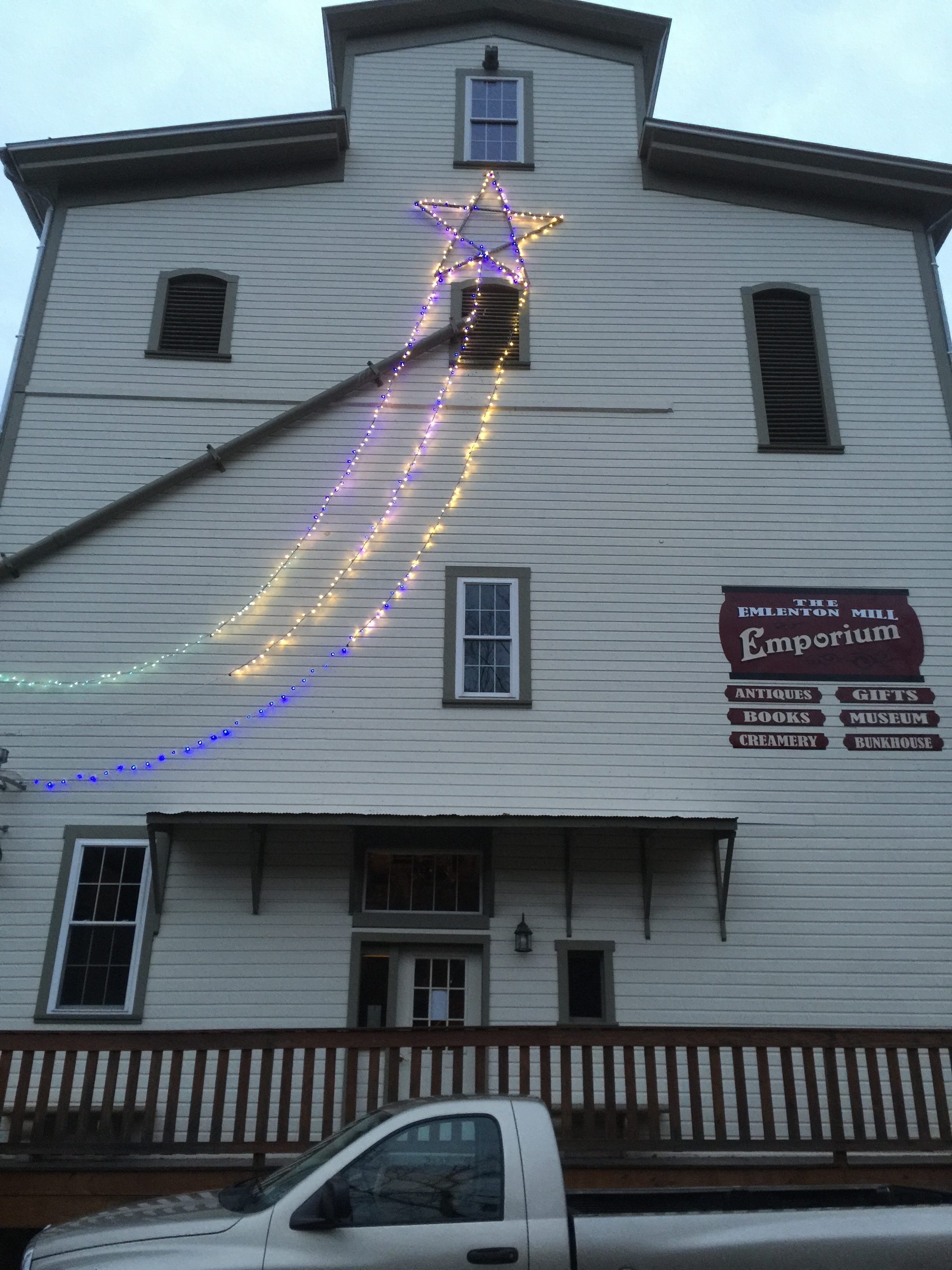
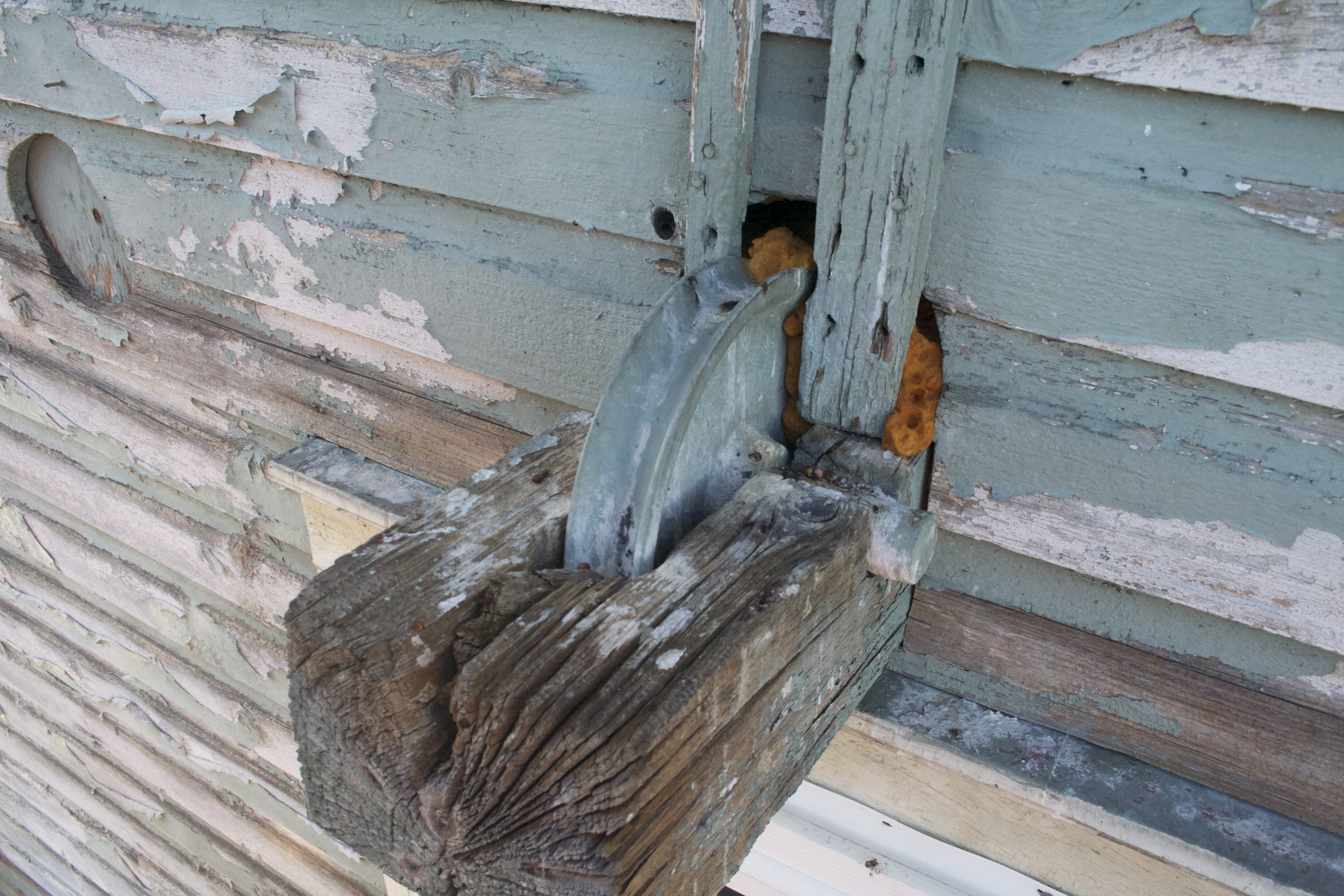
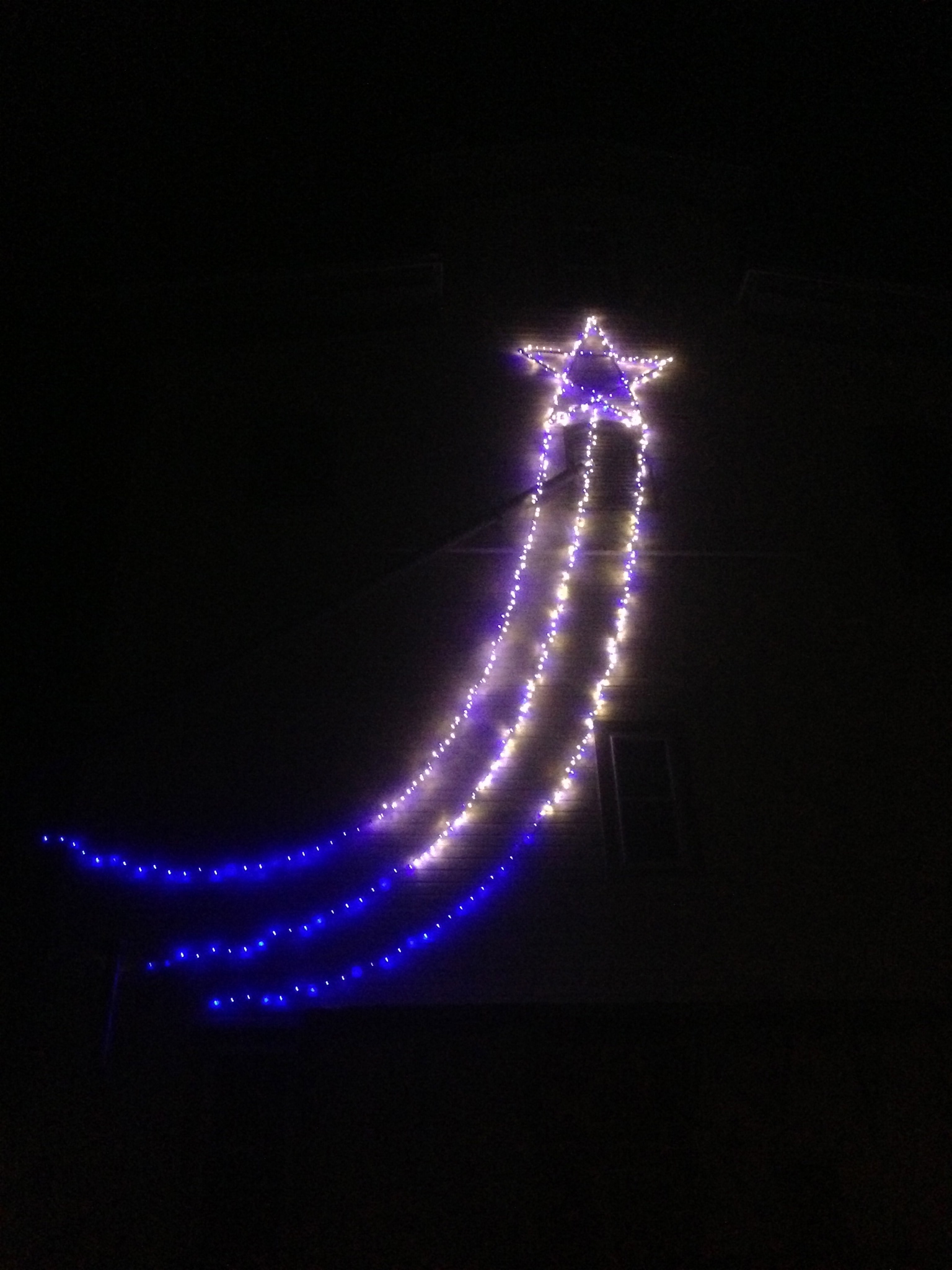
The Emlenton Mill shooting star is hung from just below the fourth floor window facing the river. Above that window is a very old pulley that was used for raising things to the upper levels of the Mill. The star is made from eight foot aluminum channels that were part of a roller rack donated by Whitaker Corporation. It is covered with white and blue LED christmas lights. At night it appears to hang in space.
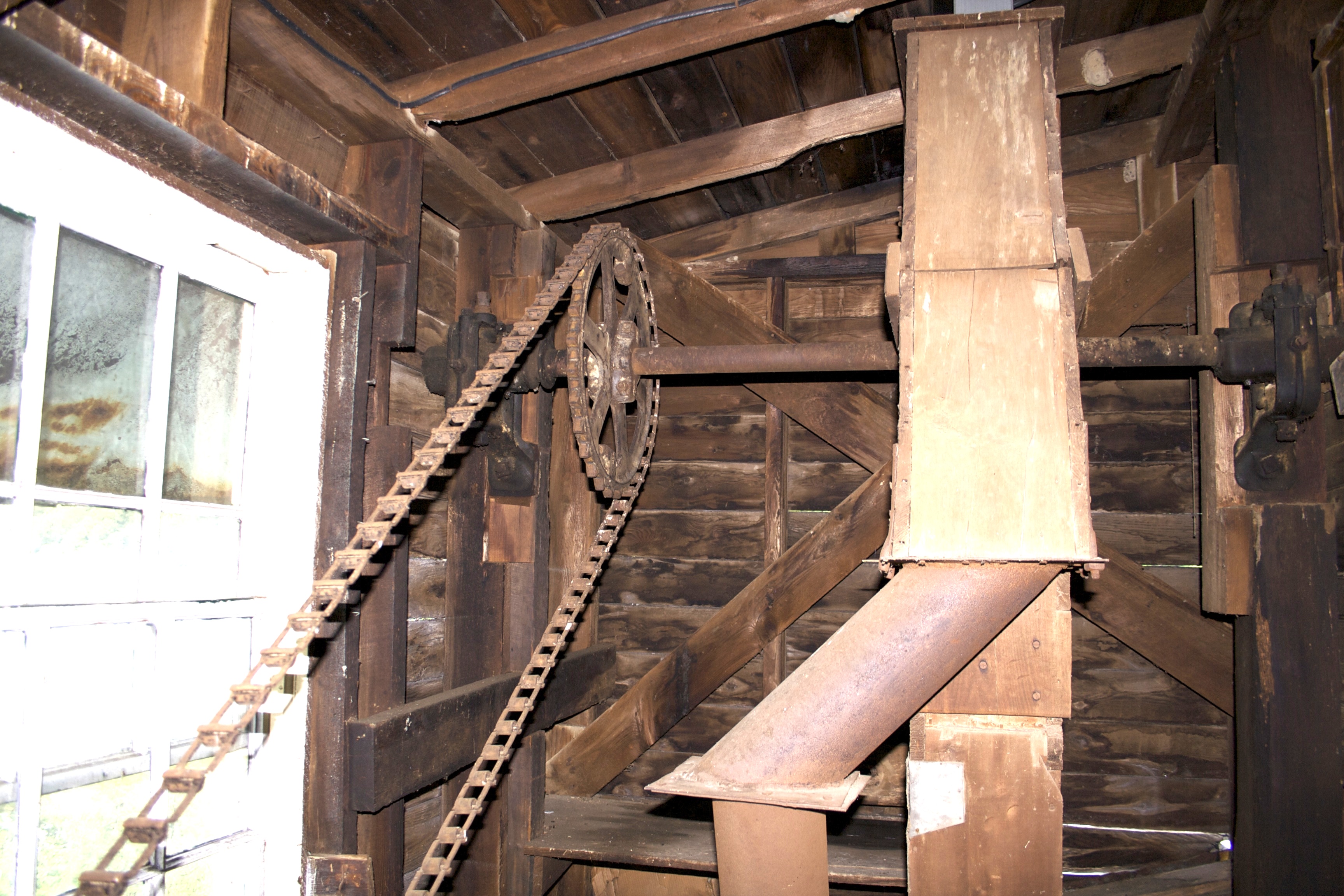
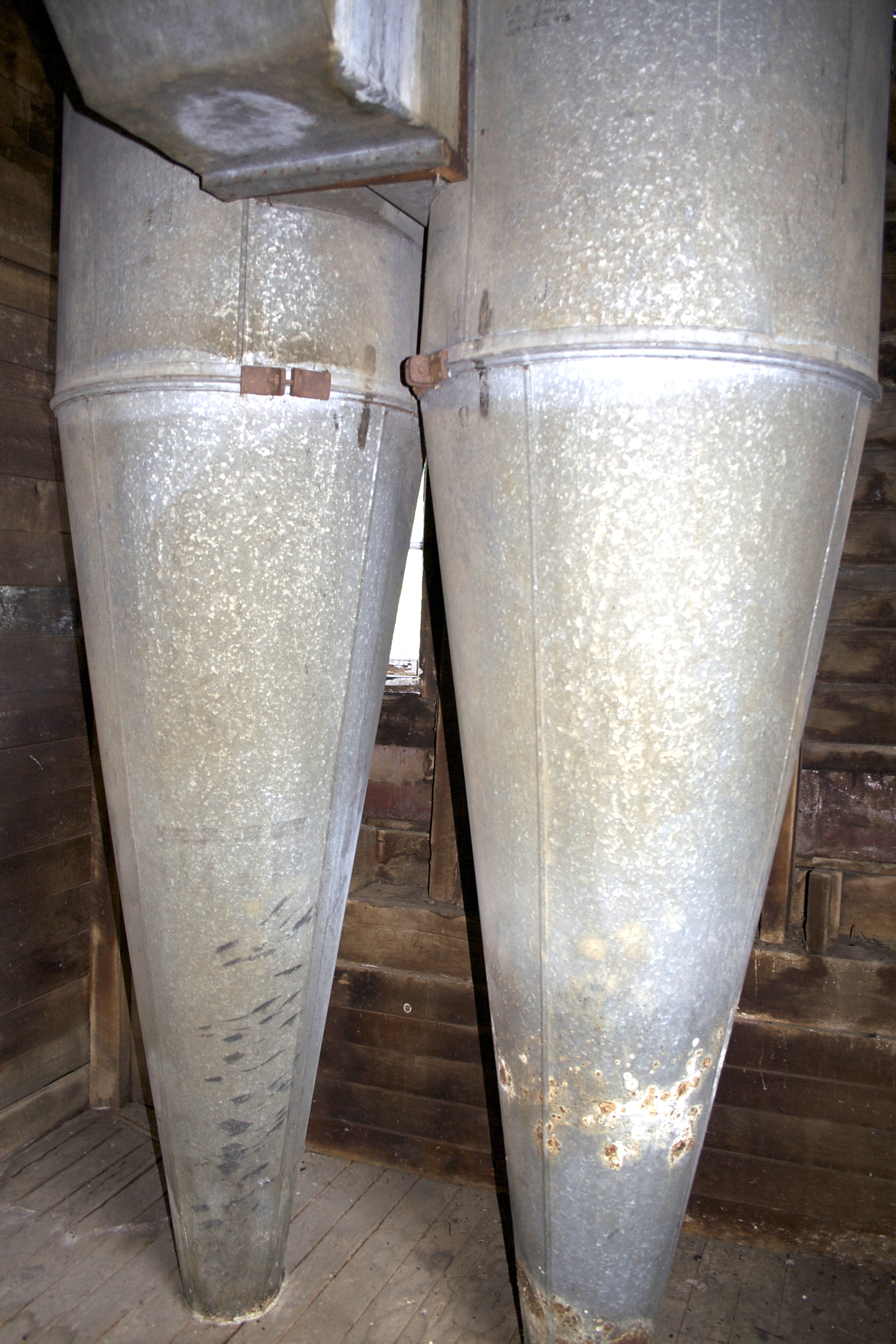
The fourth floor of the Mill housed the flywheel for the main grain elevators. The chain drive is shown below. It also housed four cyclones, in a room overlooking the river, which were used to separate the grain and two shaker screen units which were also used to separate the grain. You could still turn the flywheel and watch the chain turn the elevator although the elevator was no longer continuous.
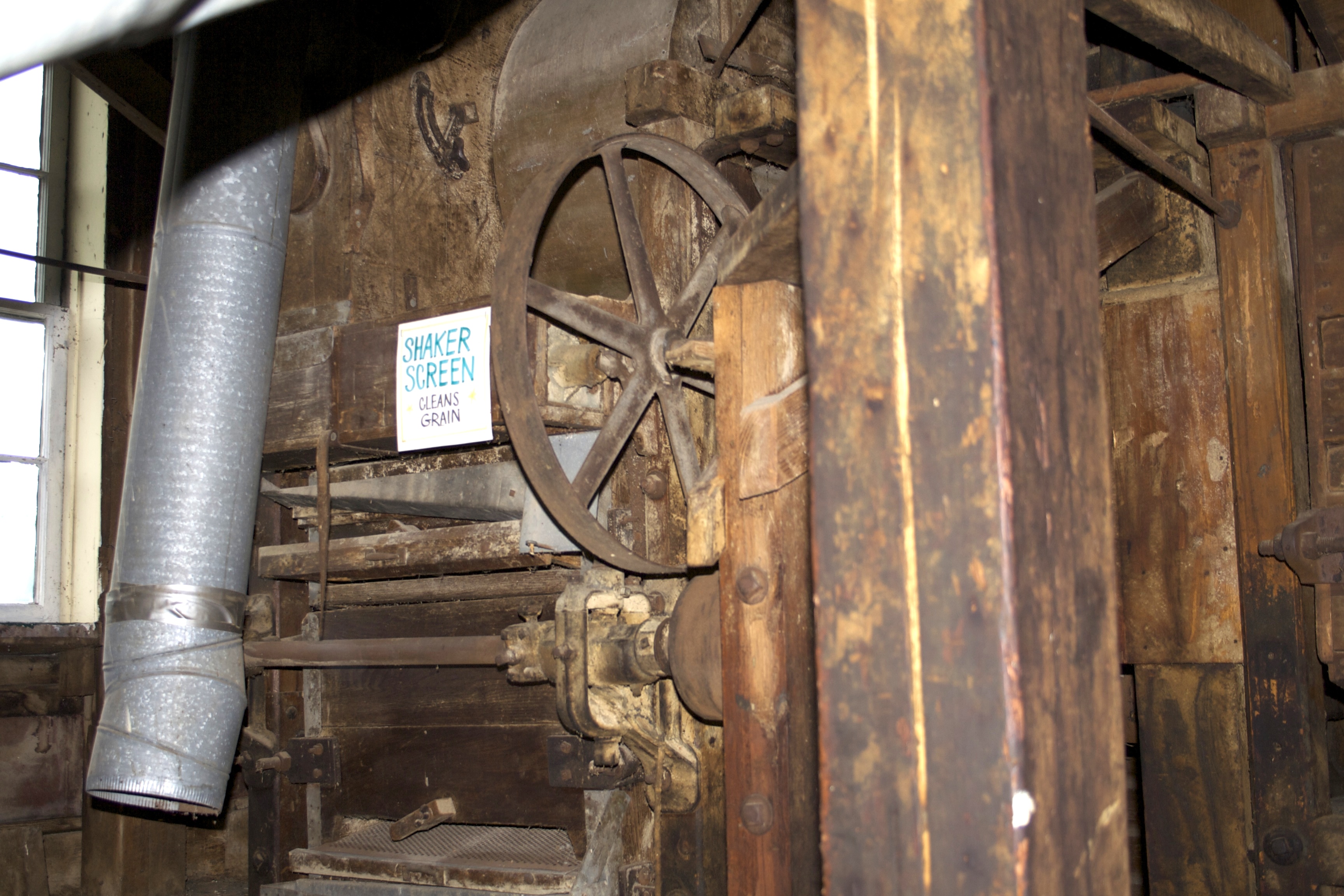
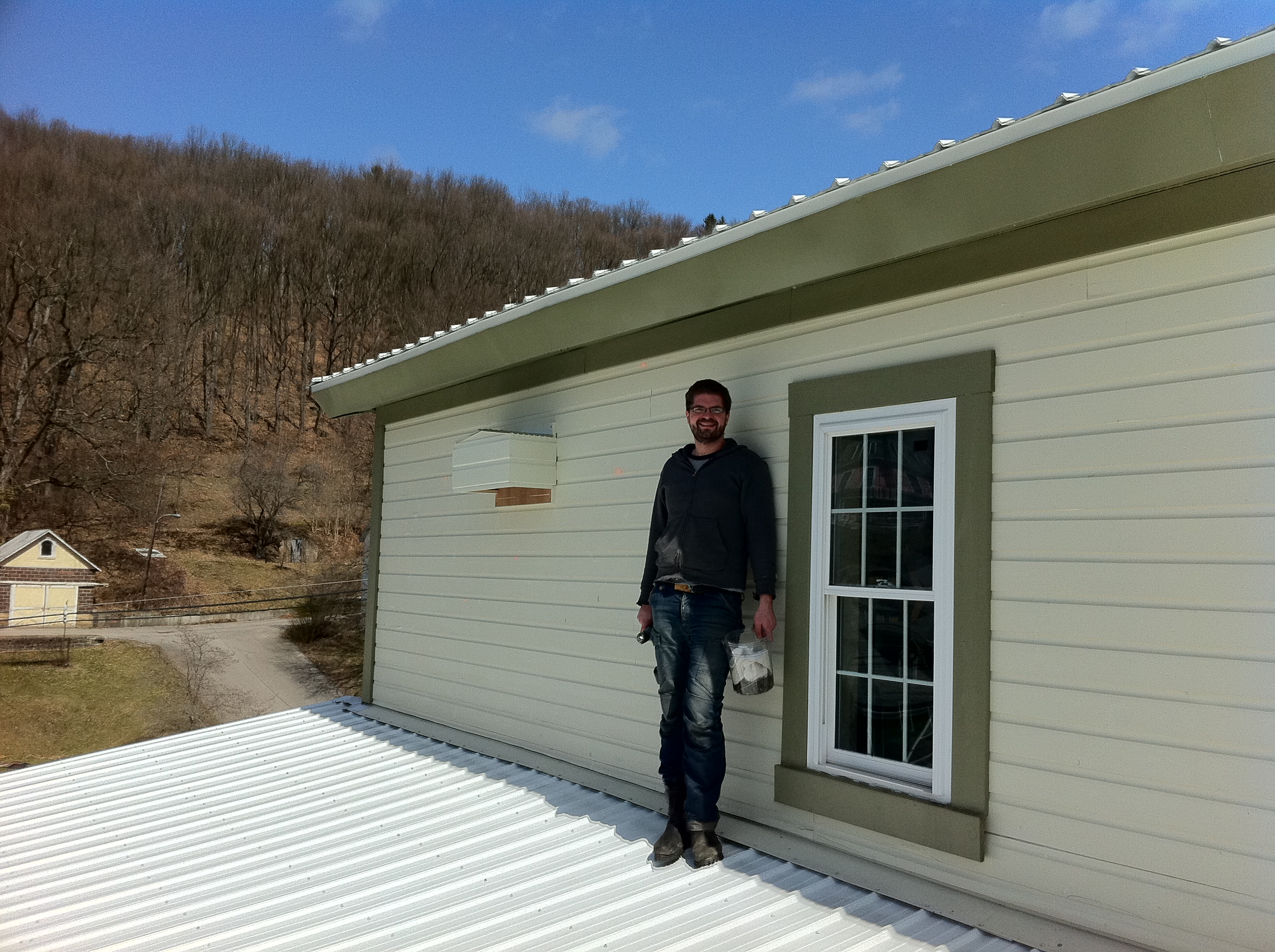
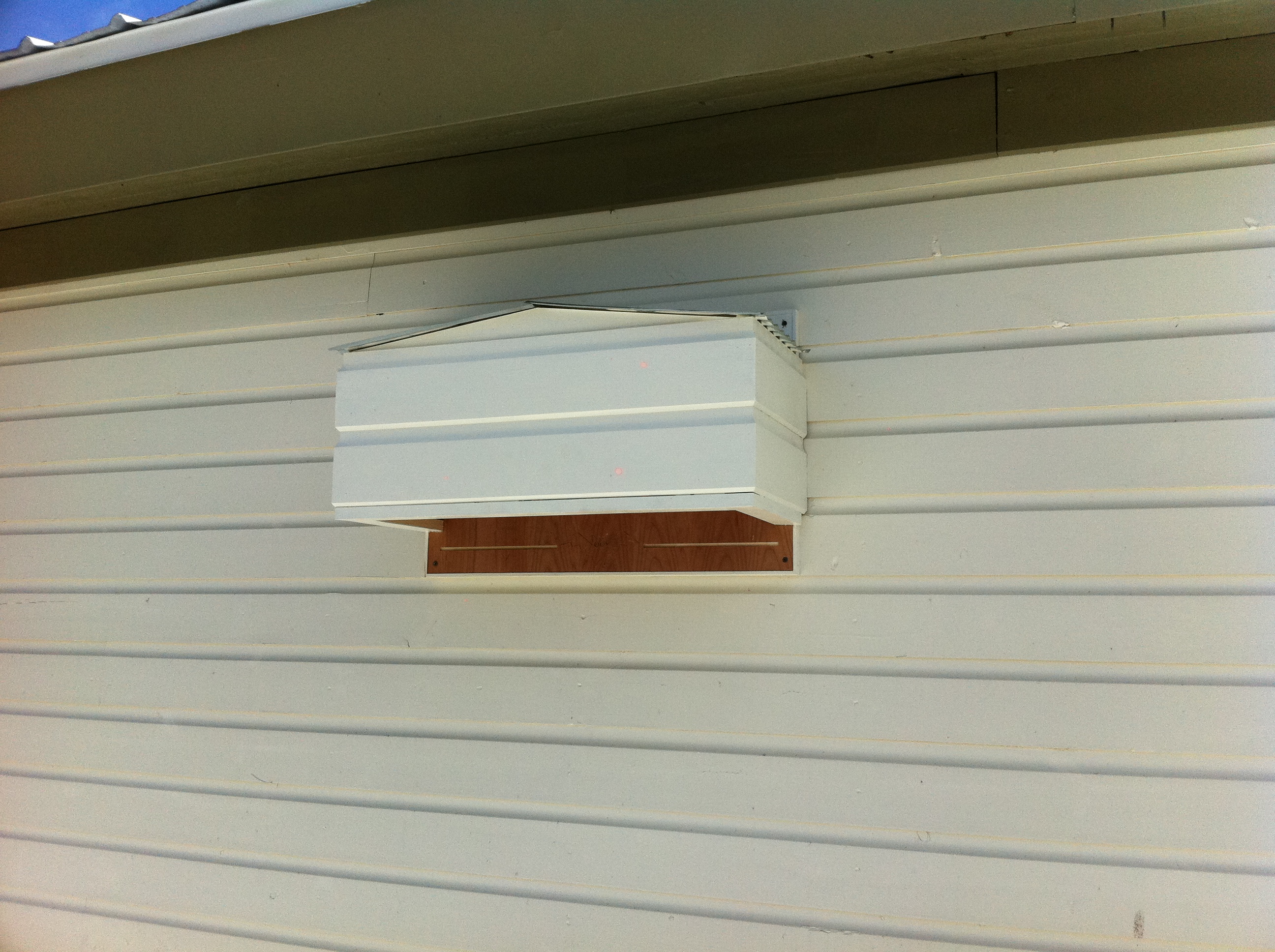
The Mill had bats, especially the upper floors. We tried to seal the cracks the best we could but in the end we built them a home on the outside of the building. Mitch Bray built a custom bat box complete with a batman logo and David painted it and hung it. The fourth floor was filed with wonderful old signs as well as two sets of shaker screens for sorting grain.
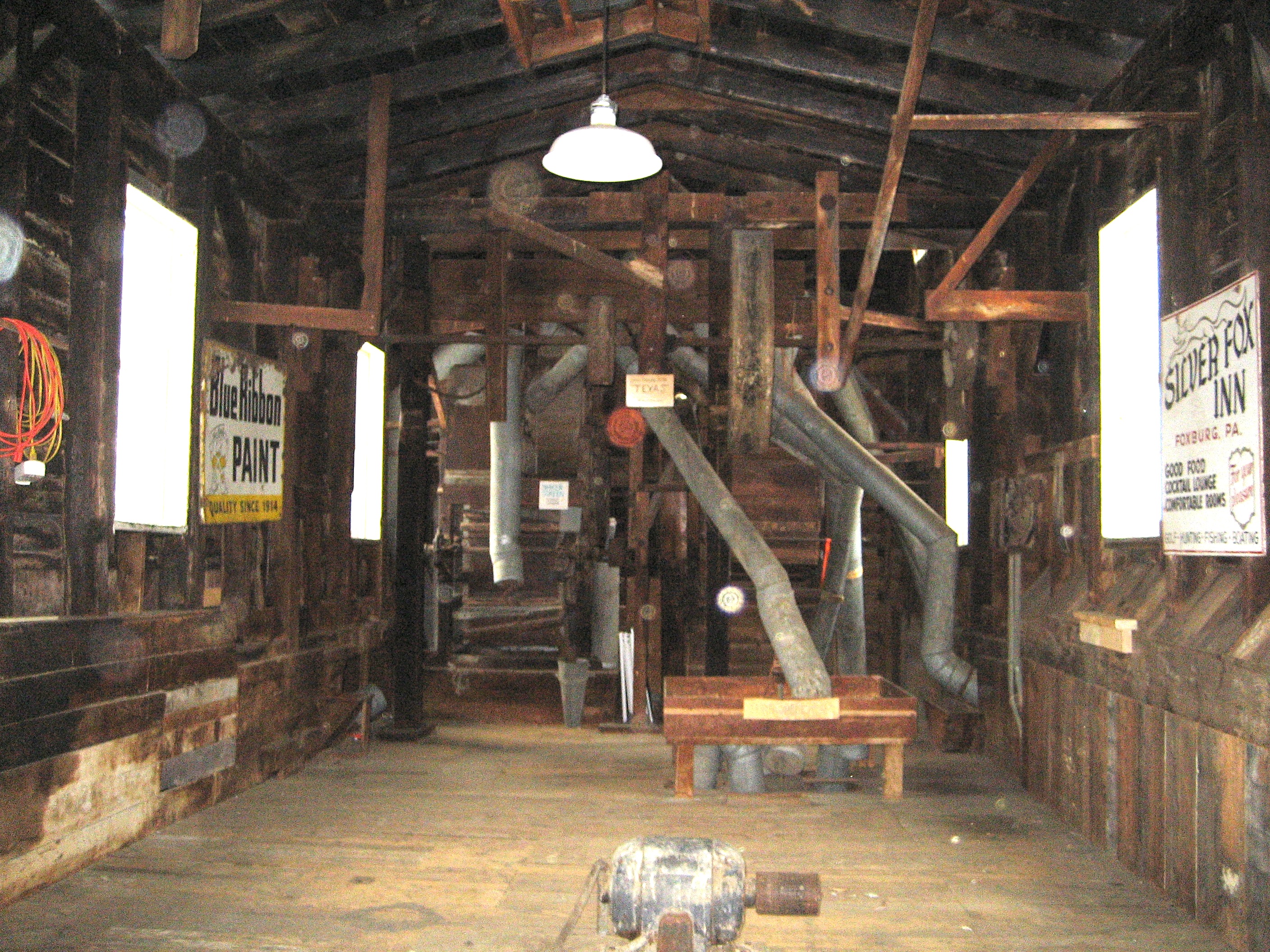
The fourth floor of the Mill has a sign that says “You made it to Texas”. We don’t know why but the story is that it was hot there too. It’s also true that the oil fields moved from Pennsylvania to Texas. The big flywheel was originally driven by belts from the basement and later by an electric motor in Texas. It in turn drives a chain that drives the grain elevators. The small selector pictured shows how the larger one on the fifth floor works. The turn wheel on the first floor turns the selector in Texas and selects the chute. There are many of these smaller selectors all over the mill.


One of the first things the Mill needed was a new roof. Joe Hanna, his sons and other helpers worked diligently through the Fall of 2008 to put a new roof and siding on the fourth and fifth floors of the Mill. We used pink board to insulate the roof and then added metal. The new windows were hoisted by hand.


I’m going to start a new series today called the Mill Top to Bottom. So we will start with the fifth floor which is where the selector for the two main grain elevators was located. The grain traveled up to the fifth floor and there the miller selected which of 14 chutes it would be routed to using the turn wheel on the first floor. Also pictured is Joe Hanna adding a new roof to the very top of the Mill in October of 2008.


In 2012 we added a Yamaha CP33 stage piano and Yamaha self powered speakers so that we could do concerts inside the Mill. Before this we had to borrow a piano from the Lighthouse church at the Mill or from Chapel on the Hill church. This was also the year that Julie introduced Friday night for pay concerts which were outstanding. We would house touring musicians in the Bunkhouse and they would provide a concert. You will also notice Nancy’s feed sack display hanging from the ceiling. Everyone enjoyed the backdrop of the Mill machines.


2011 was also the first year for the “February Album Writing Month” FAWMstock at the Mill. We hosted musicians and singer/songwriters from all over the world. They spent four days at the mill, sleeping (infrequently) in the bunkhouse, writing original music and on Saturday they gave a concert that ran past midnight. The third floor was turned into a recording studio by the Canadian contingent using equipment Devin brought across the border.


In 2011 we added a Presonus 16-4-2 board to the Mill. I built a custom cart to hold the stands, mikes, cables, board and computers. This made it much easier to set up a concert. The Presonus board could be remotely run from an Ipad which made it fun.


We started having Saturday night concerts at the Mill in June of 2009 as soon as we had the patio finished. As I remember, there was only one stairway finished and the planter wasn’t even constructed. The Lowrys and the Shegogs not only scooped ice cream but played the music. By July the thrust and planter were finished and the fish was in place. Darlene scheduled the music and the bands brought their own sound systems. We borrowed the piano from the Lighthouse church that met in the Mill for some concerts. By the Spring of 2010, the bunkhouse was open and we added a sound system to the patio using four outdoor speakers a small Alesis Multimix mixer and a home stereo amplifier. The siding was finished by the fall of 2010.


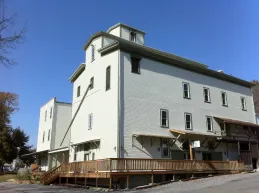
 The Emlenton Mill