The seed blender was located on the second floor right above the first floor packing area. If you know what it was for, please let me know. The large motor was originally located (2005) on the cement dock to the left of the second street door. When we built the boardwalk we moved it to the SE corner under the boardwalk where it still resides. It is the largest motor in the Mill. What was it for?


The feed mixer is the newest piece of Mill equipment in the Mill. It was purchased in 1953. Its motor was on the second floor and its bearings were in the basement.


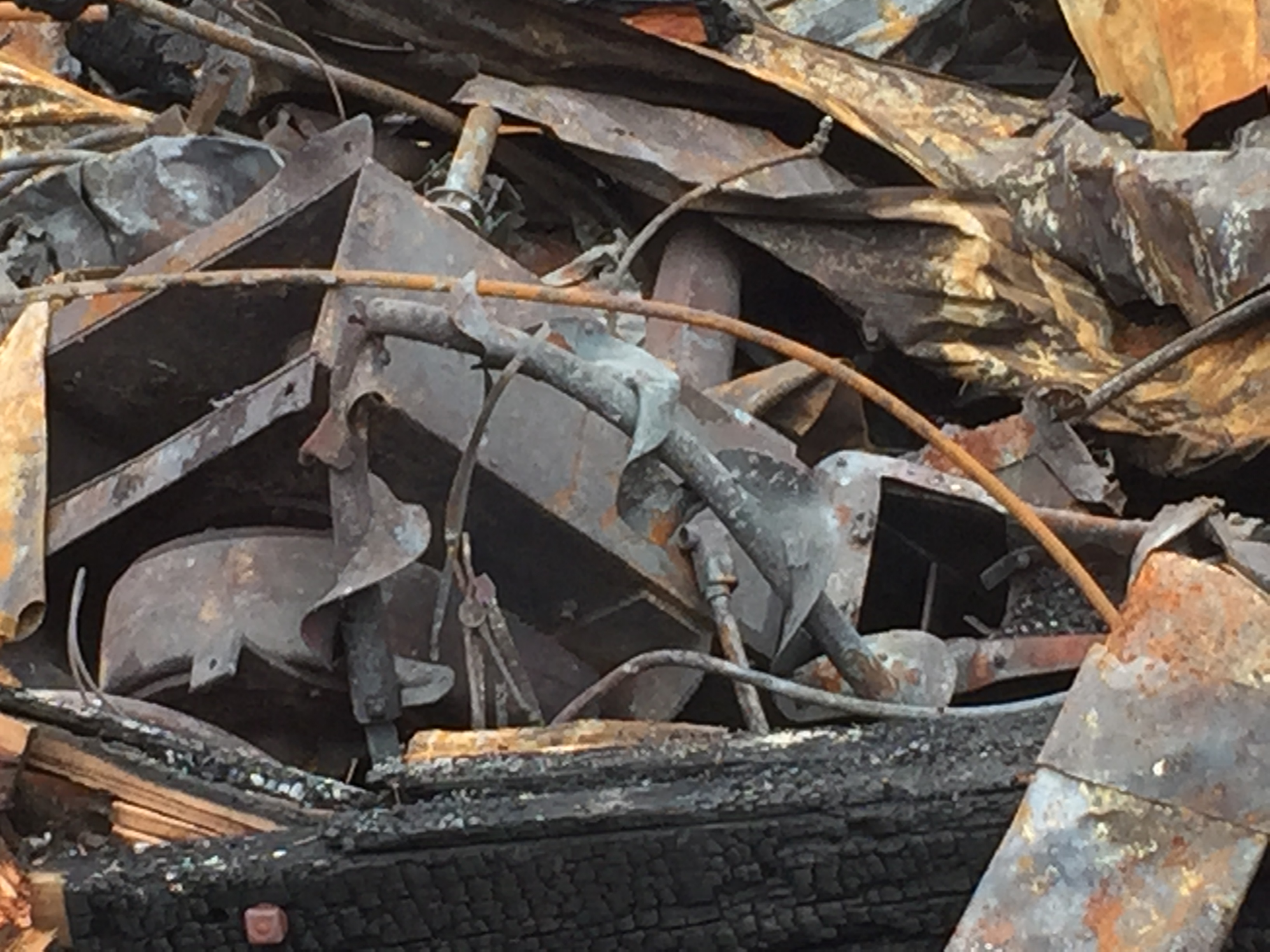
We found something in the fire pit that we didn’t recognize. It was an auger (see 4/3/15 post about the pair of pants packer in the first floor packing area). So we searched through our photos and found the motor and the belts and wheels that must have driven that auger. In ten years, I had never put this together until I saw the auger in the fire pit. Cool!
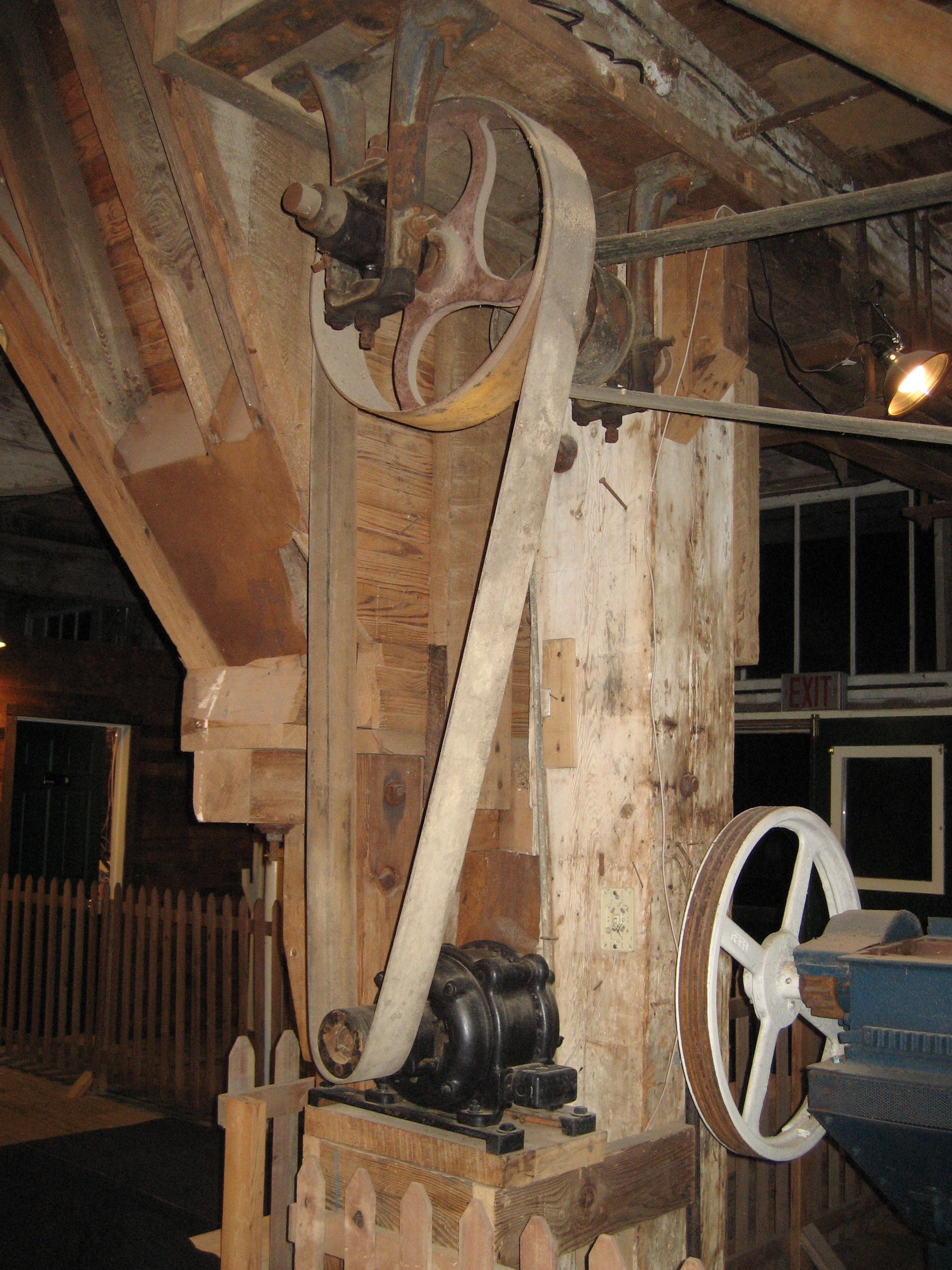
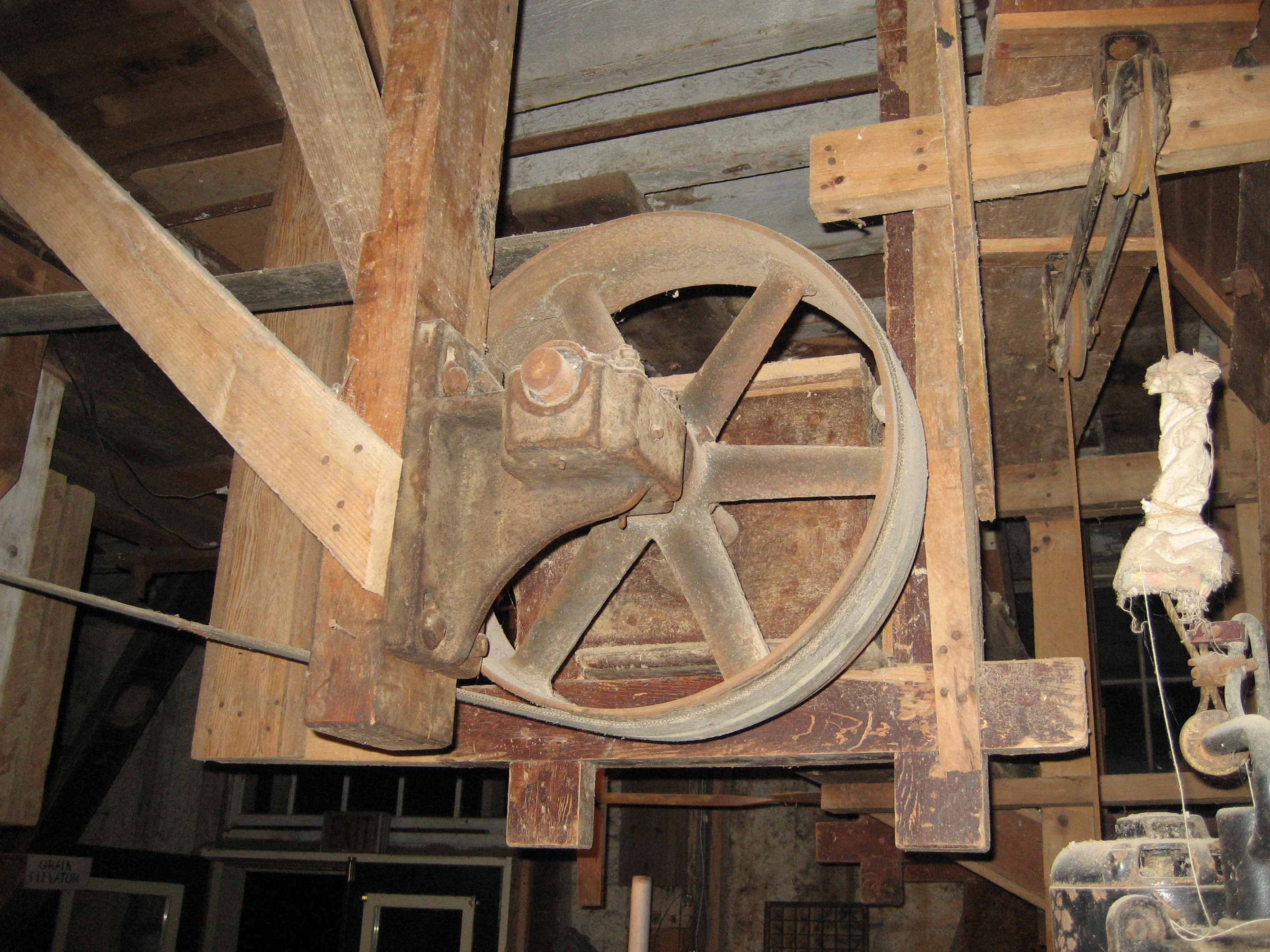
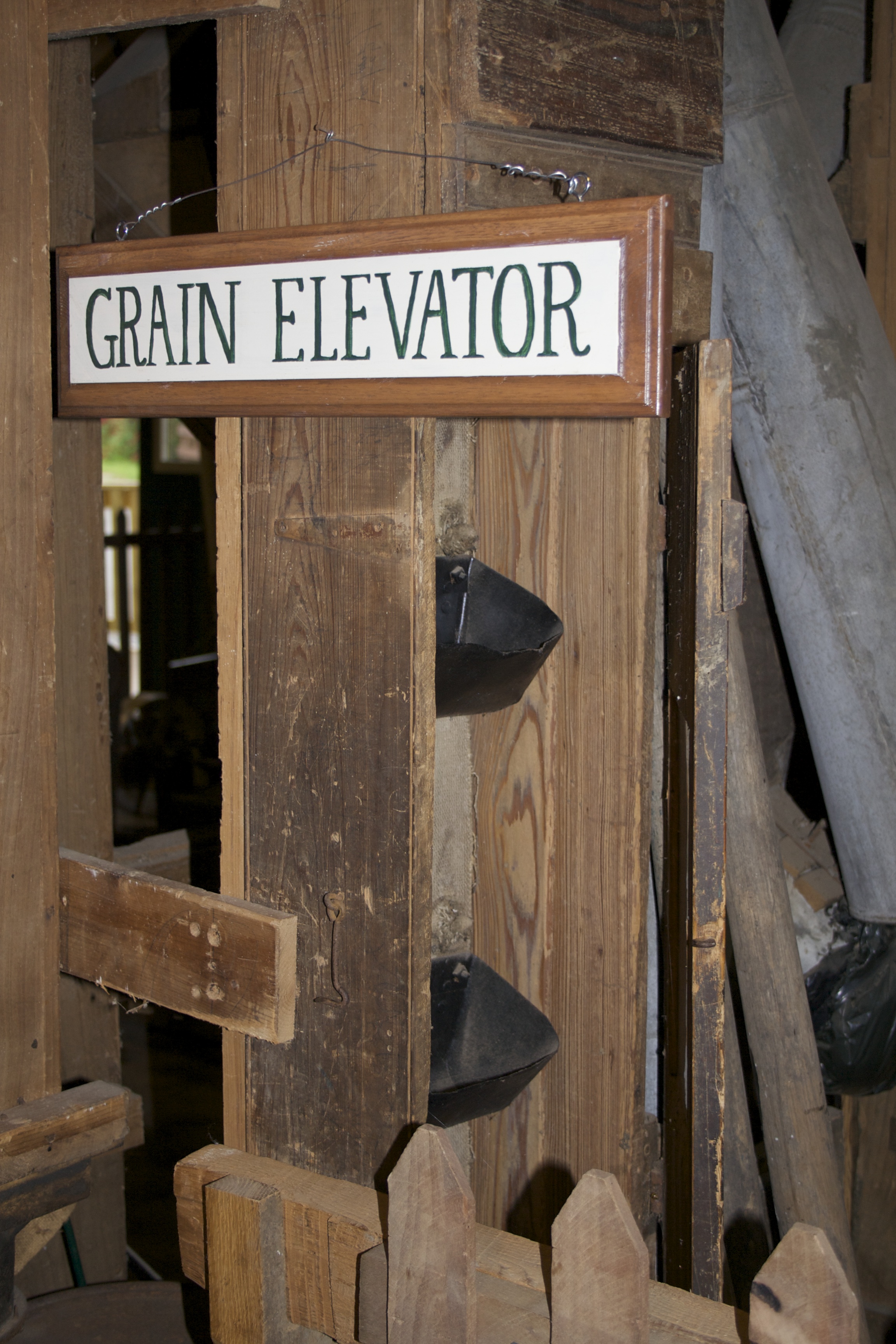
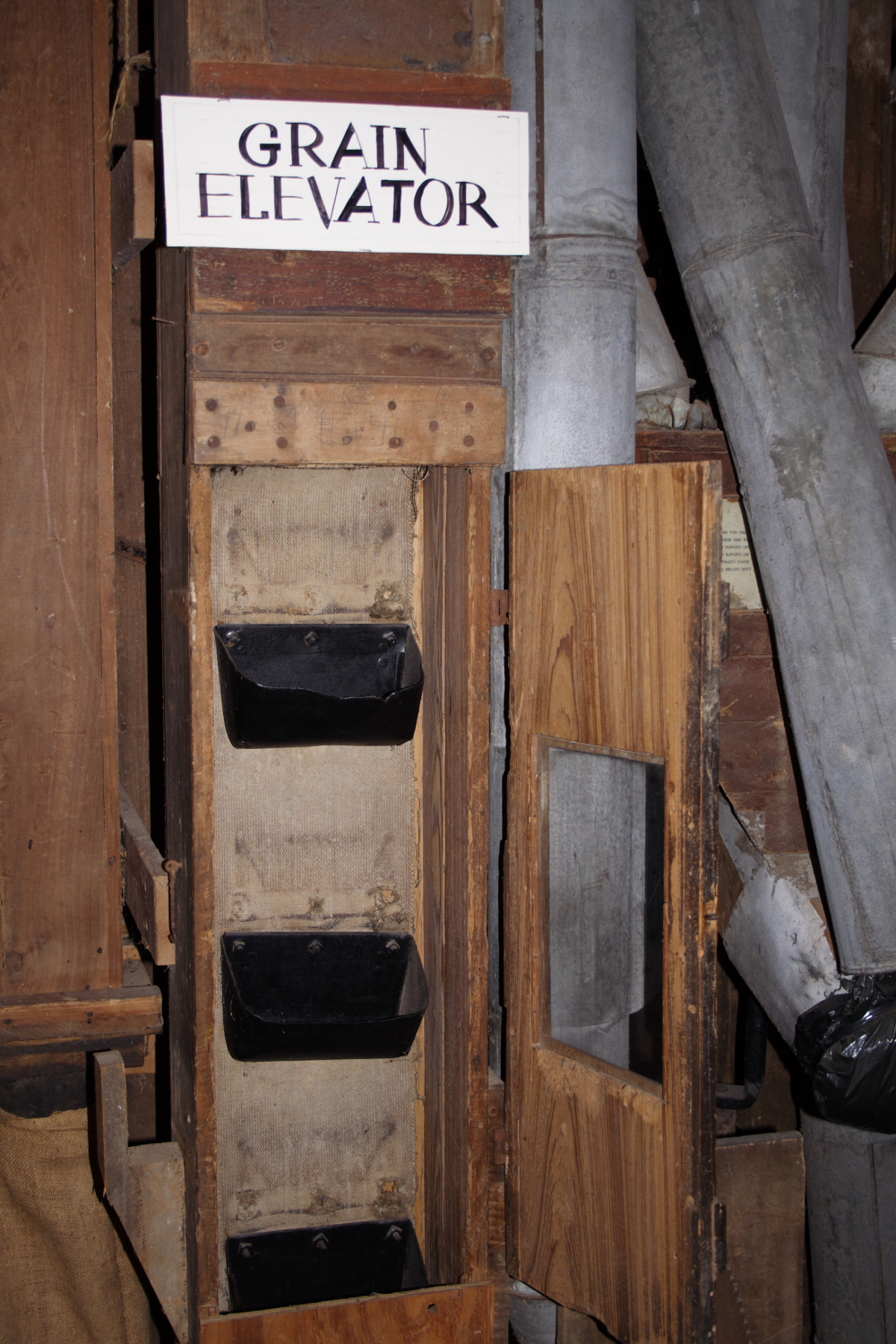
This is one of the two main grain elevators that go to the fifth floor. It is located in the control area of the 1st floor. It has larger buckets than the 3rd floor elevator.
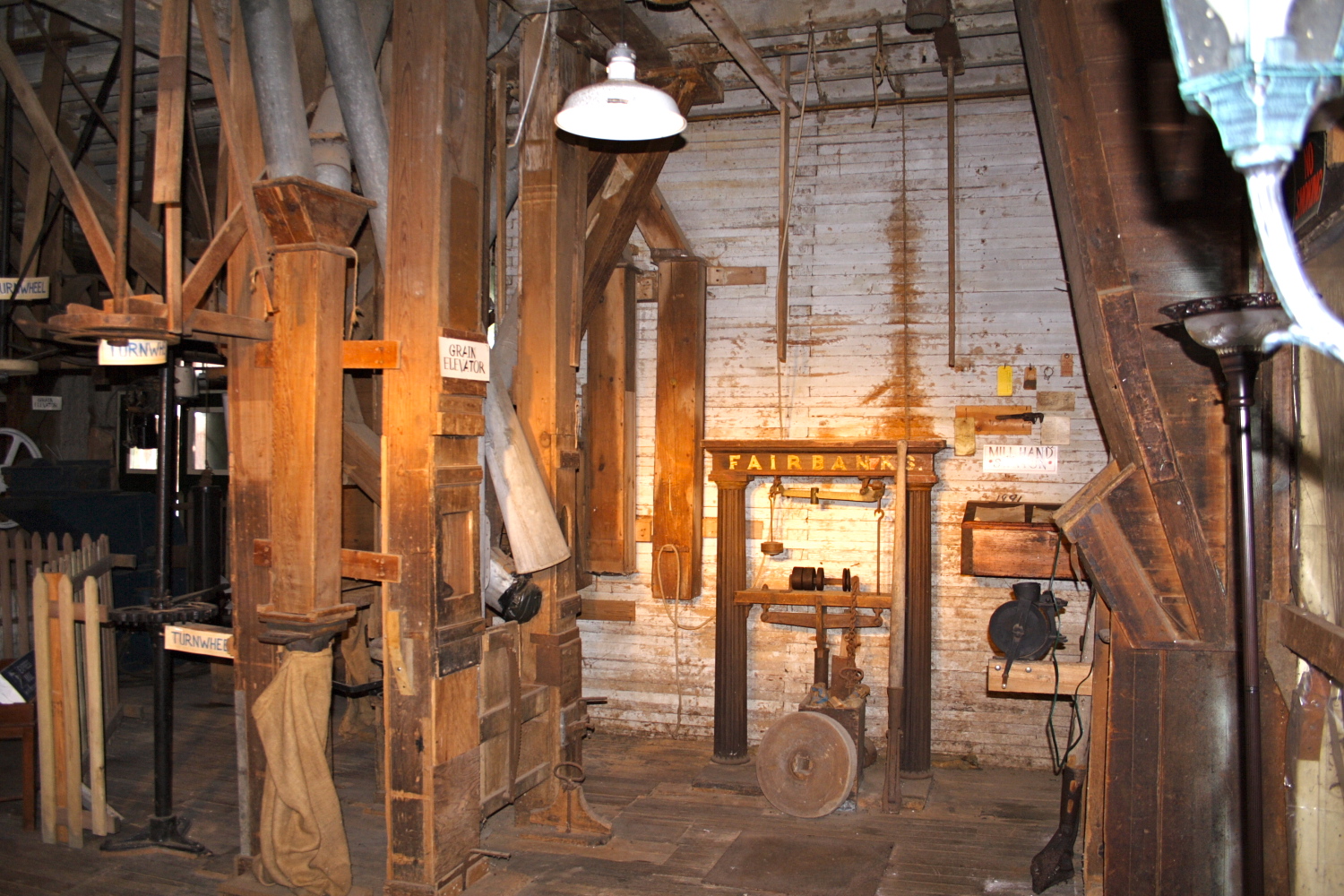
The mill hand station is basically the desk in the control area for the miller. The phone is not original to the Mill. It is actually a modern replica phone. Note the 1891 painted on the wall and the respirators hanging to the right. On the wall above the desk is an Emco Mills brochure and the Pa scale calibration forms. We think the Miller had his tobacco in the desk because it has a very powerful oder.

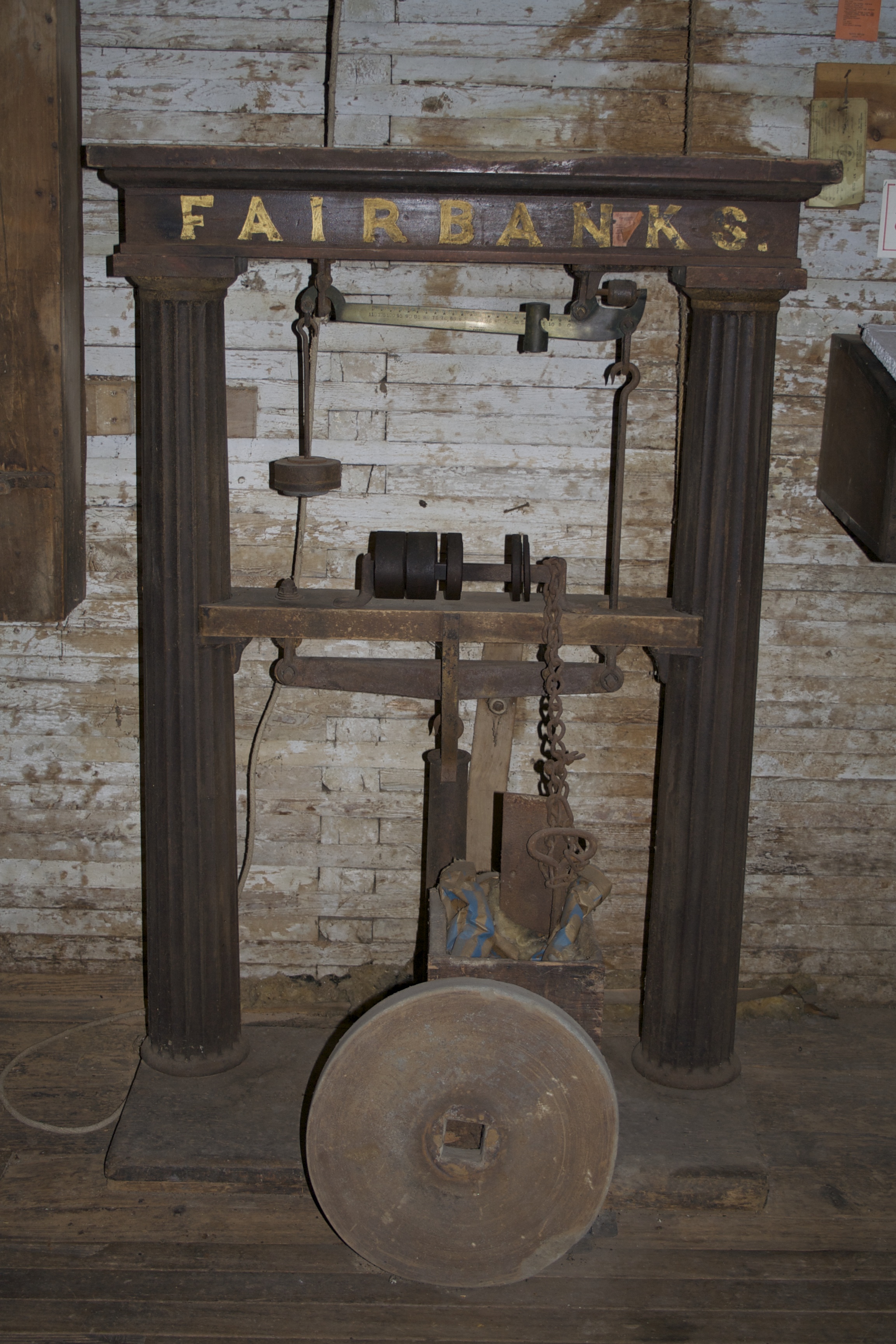
The control center for the Mill was located on the first floor near the railroad tracks. From here the miller could control the operation of the Mill. The grain entered the mill basement and was weighed on the Fairbanks scale. Then up the grain elevator and then gravity fed to the rest of the Mill using the turn wheels and the selectors.
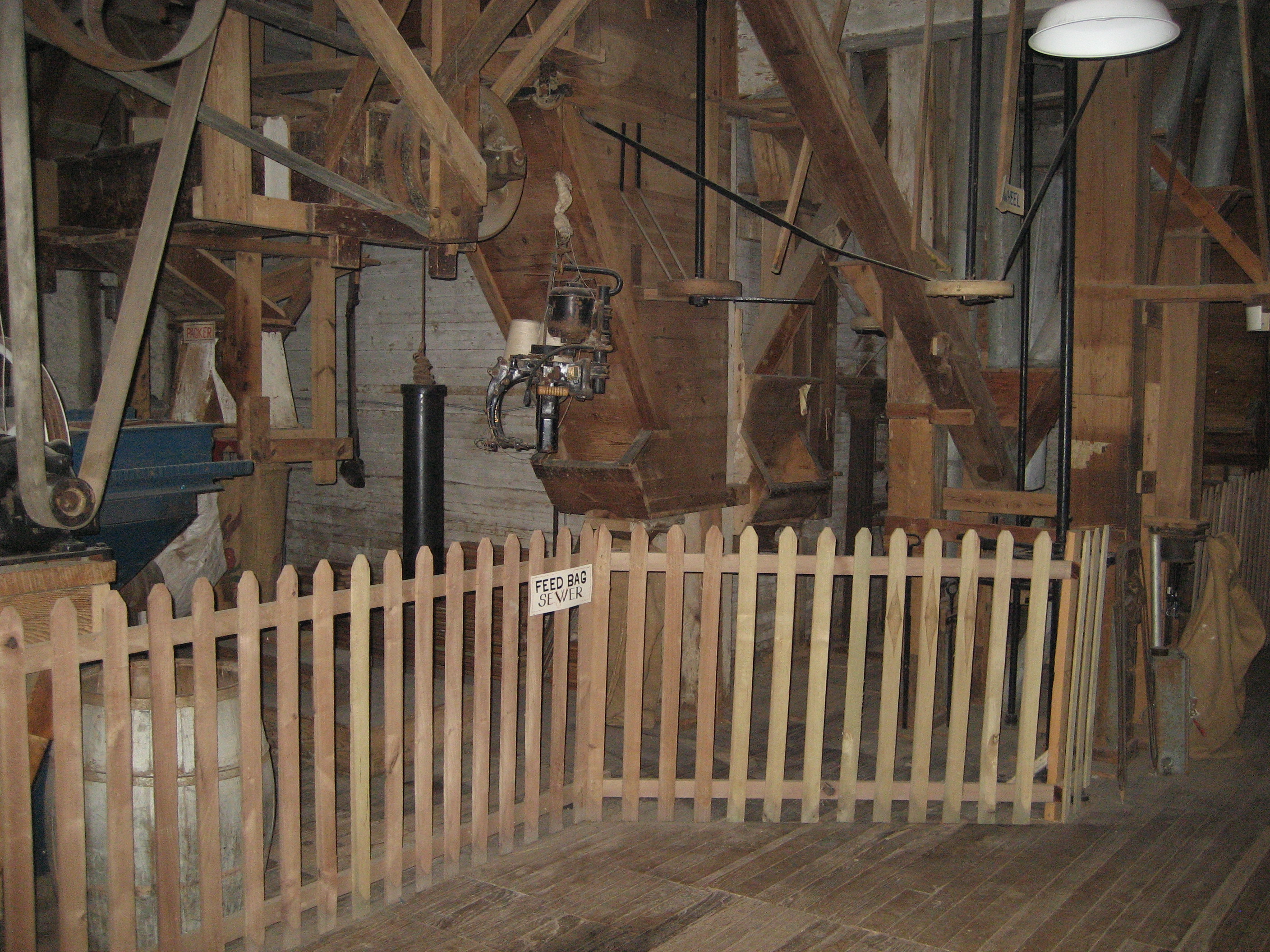
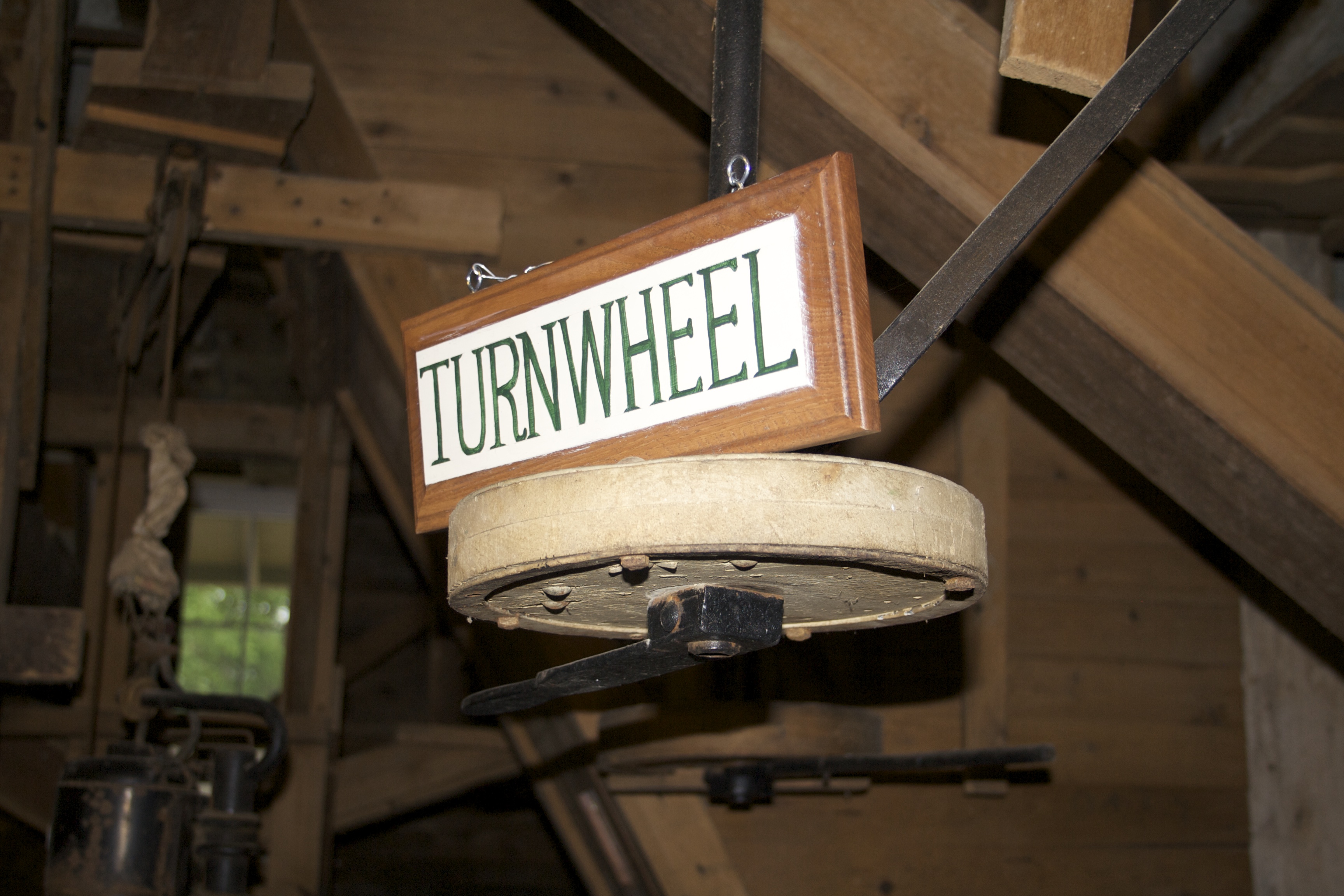
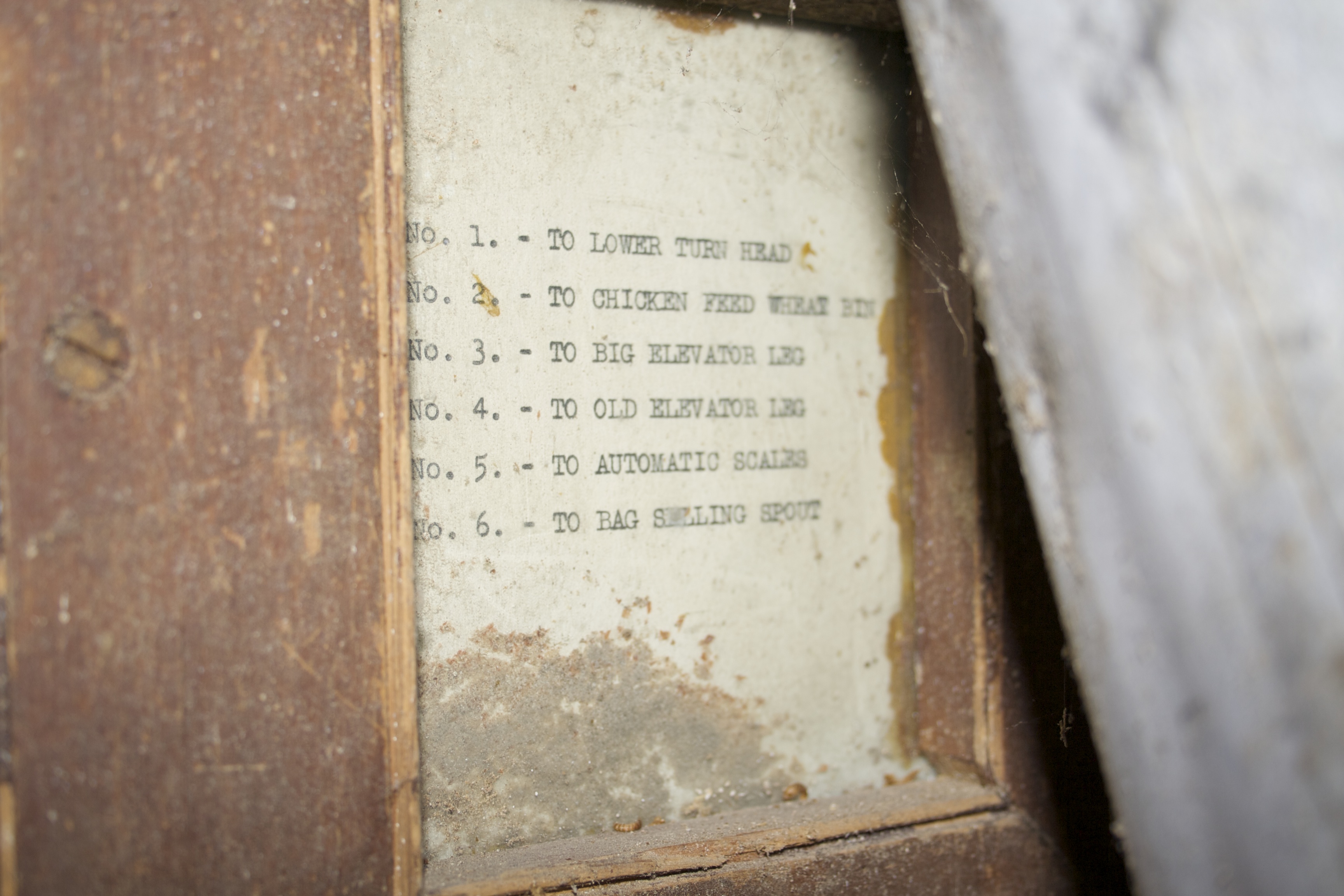
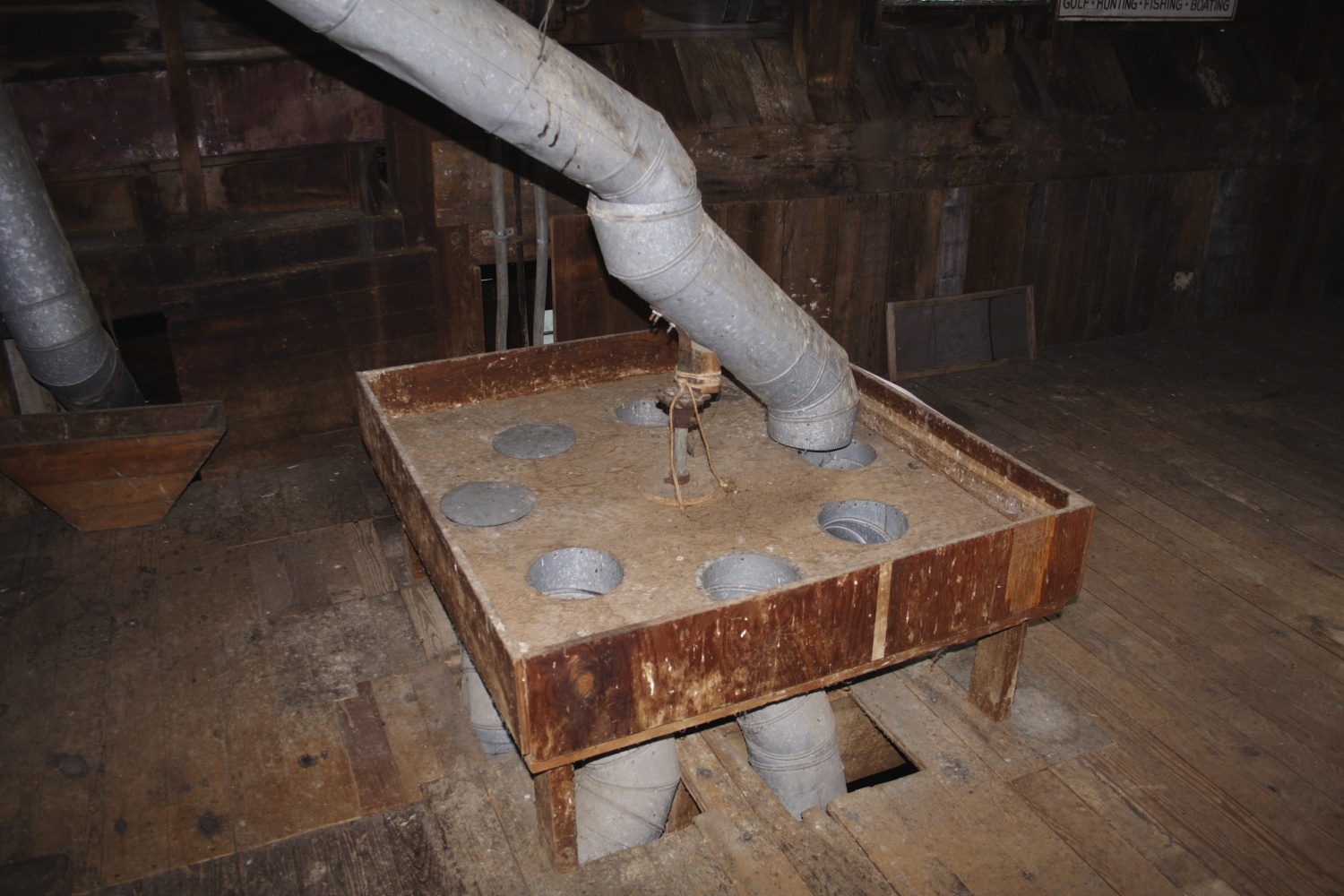
The turn wheel controls were located between the packing area and the control area on the first floor. The were connected by a metal rod (actually a pipe) to the turn wheel head (or selector). The selector shown is in Texas on the fourth floor. Also pictured is the legend for one of the turn wheels telling the miller what each turn wheel position did.
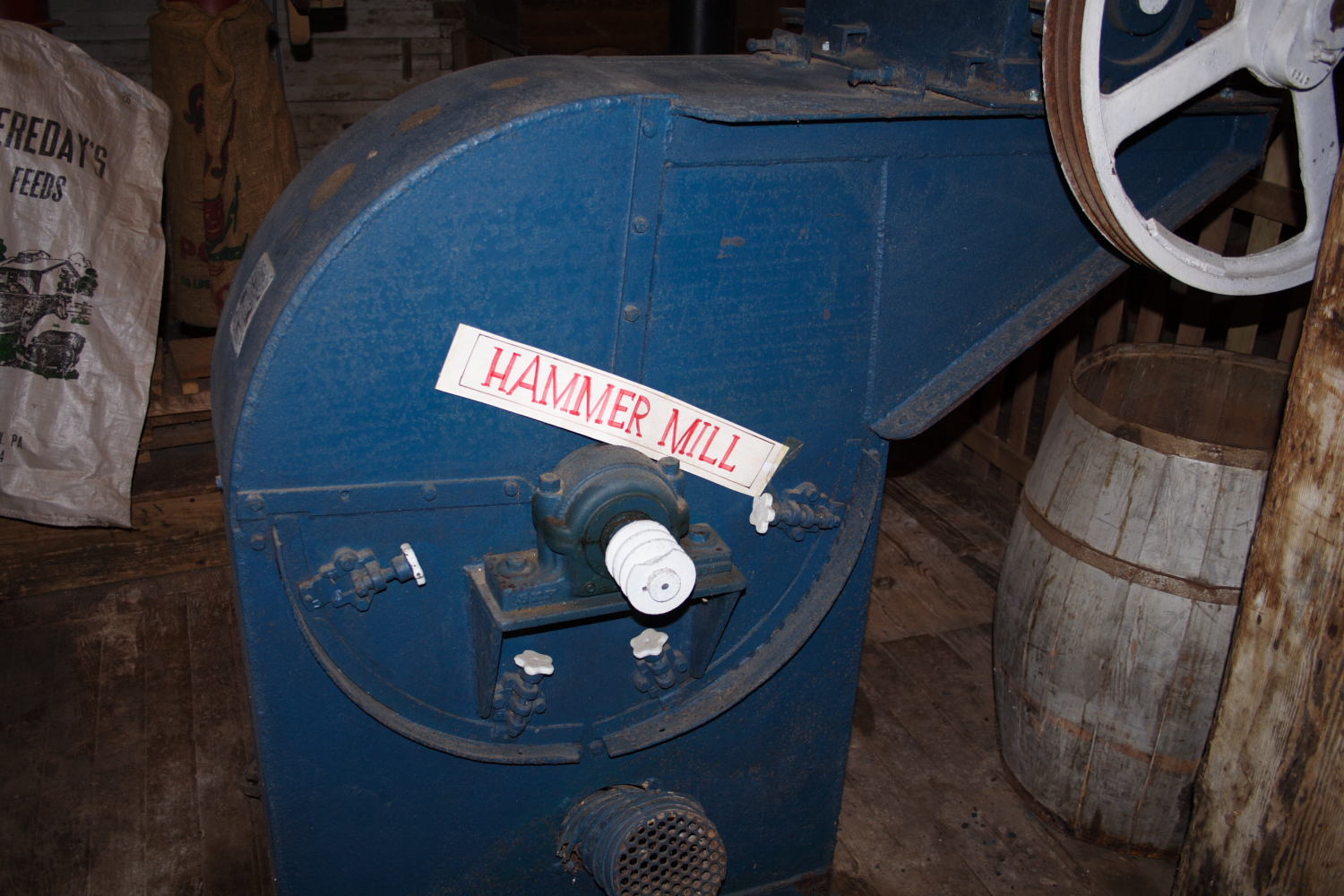
When the Mill opened in 1875 it used french stones to grind grin. But these were later upgraded to hammer mills. The hammer mill took in grain at the top and then a spinning metal flail ground the grain in the circular part of the mill. We had one on the first floor for display but they actually resided in the basement where one could still be found.

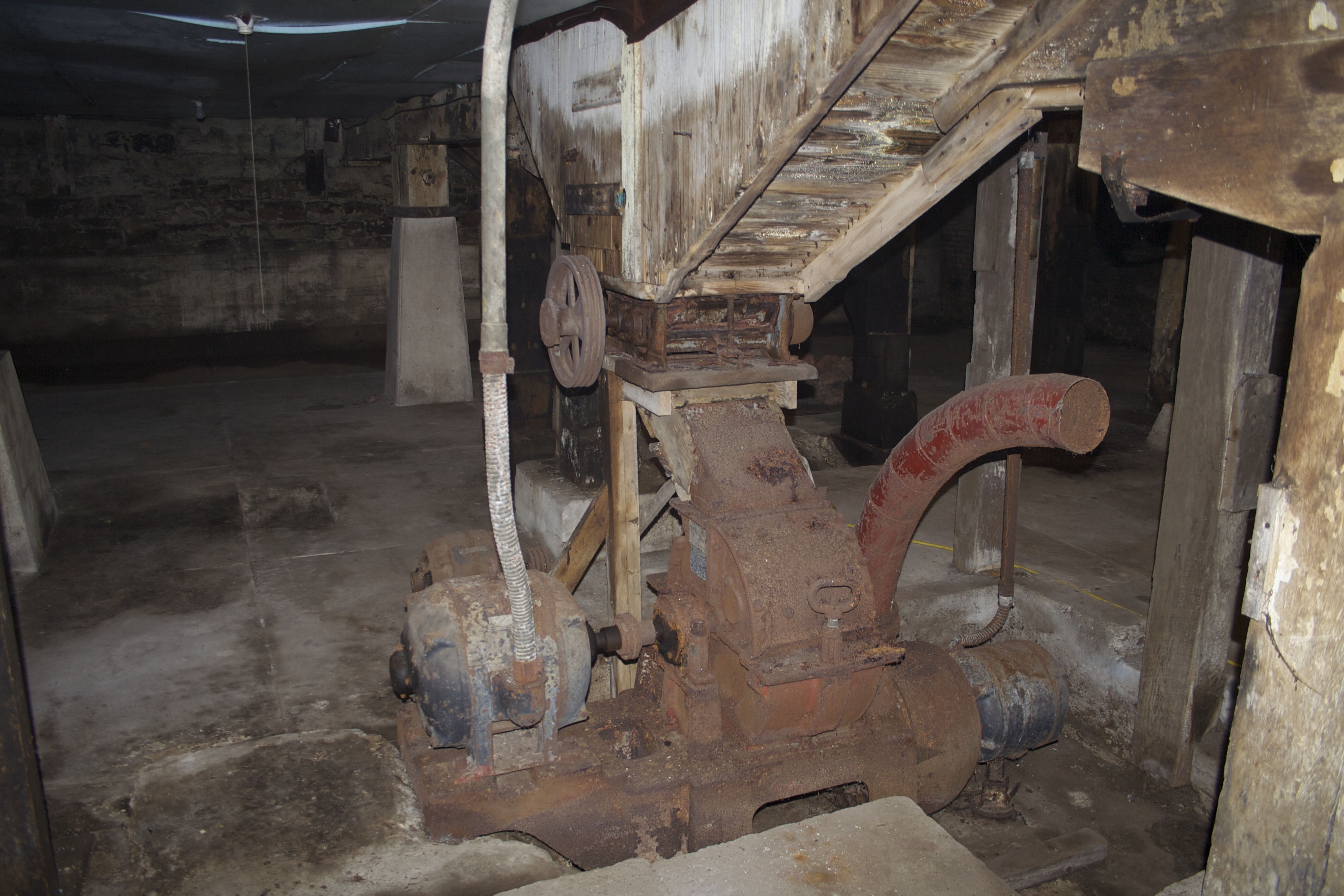
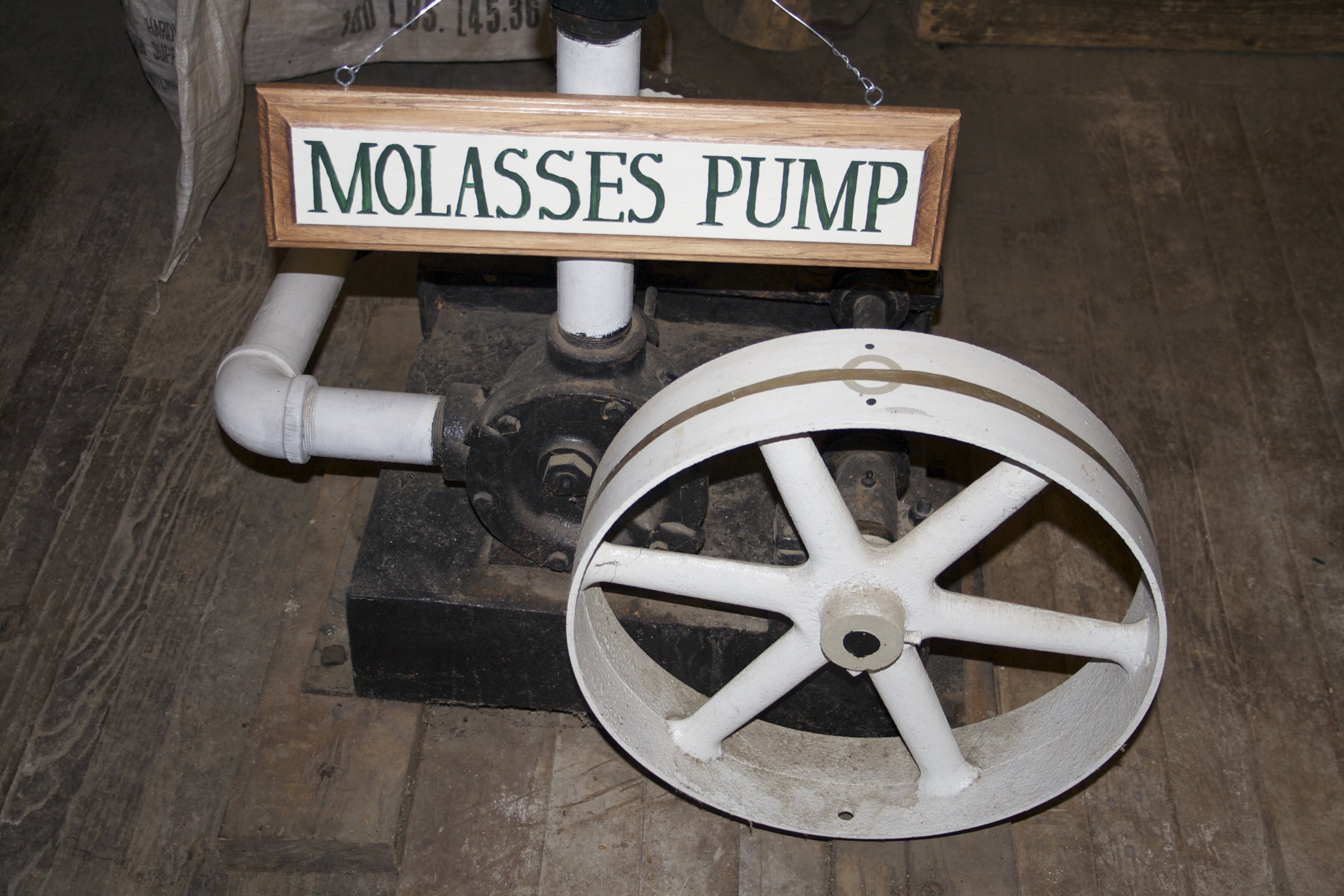
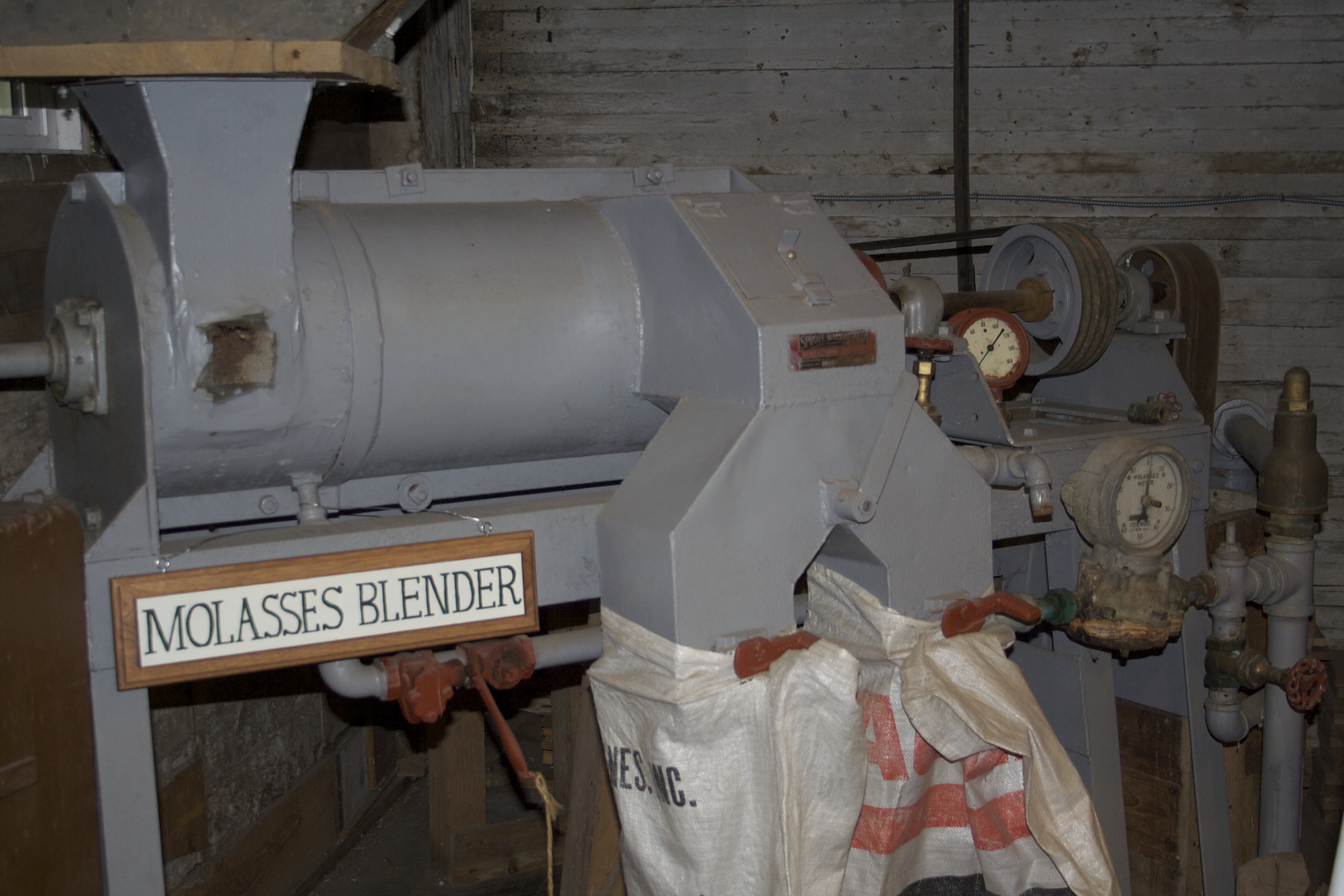
The Mill had a 3000 gallon molasses cistern in the basement under the ice cream shop kitchen. The molasses was pumped up to the first floor using the molasses pump and then fed into the molasses blender to make sweet feed for horses. When we built the ice cream shop, code wouldn’t let us have the access in the floor of the kitchen so we had to cut through the wall of the cistern which was a foot thick reinforced concrete.
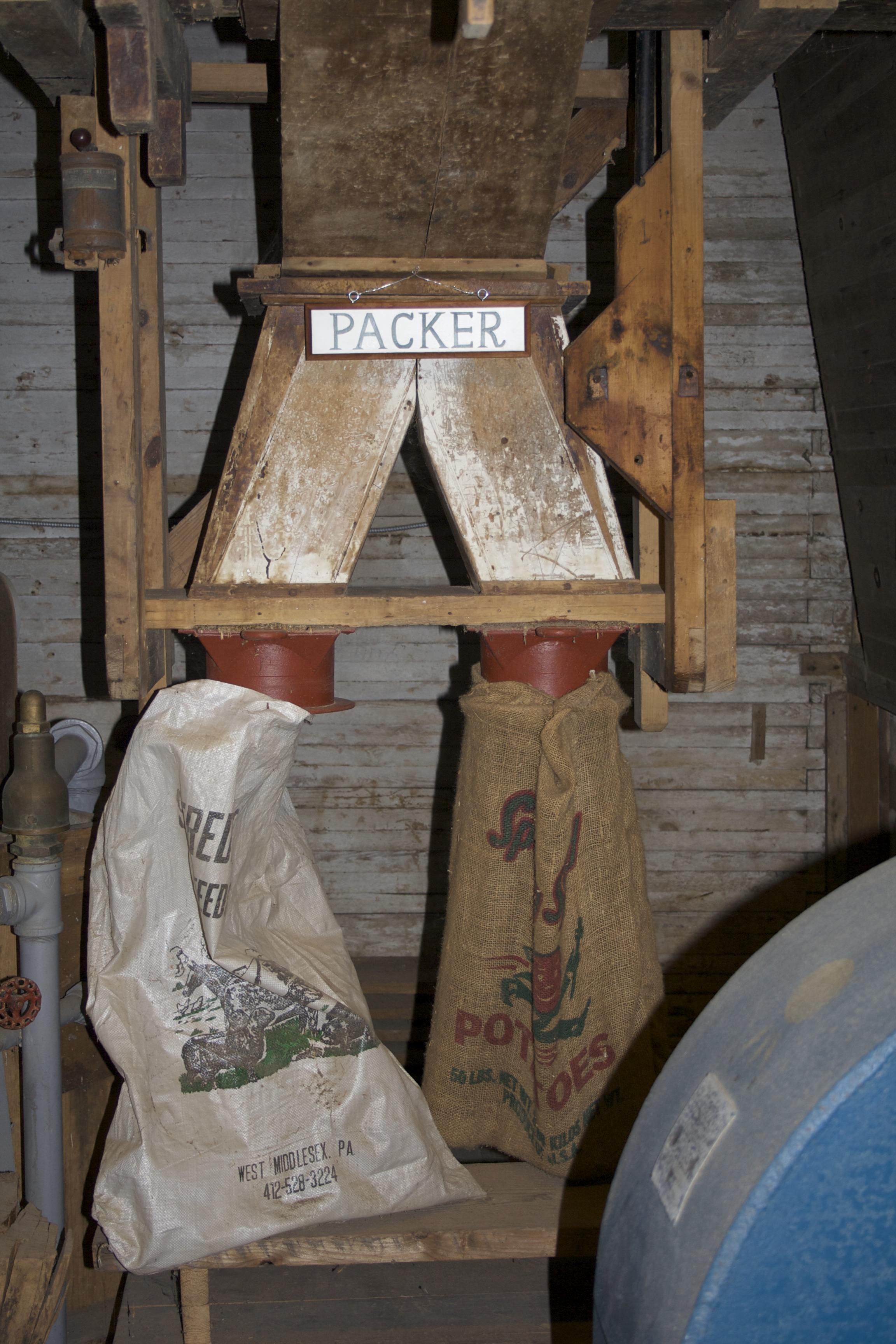
This is the packing area on the first floor of the Mill. The packer is called a “pair of pants packer” because it could fill two bags at one time. It was fed by a horizontal box which contained a powered auger to feed the grain through the box.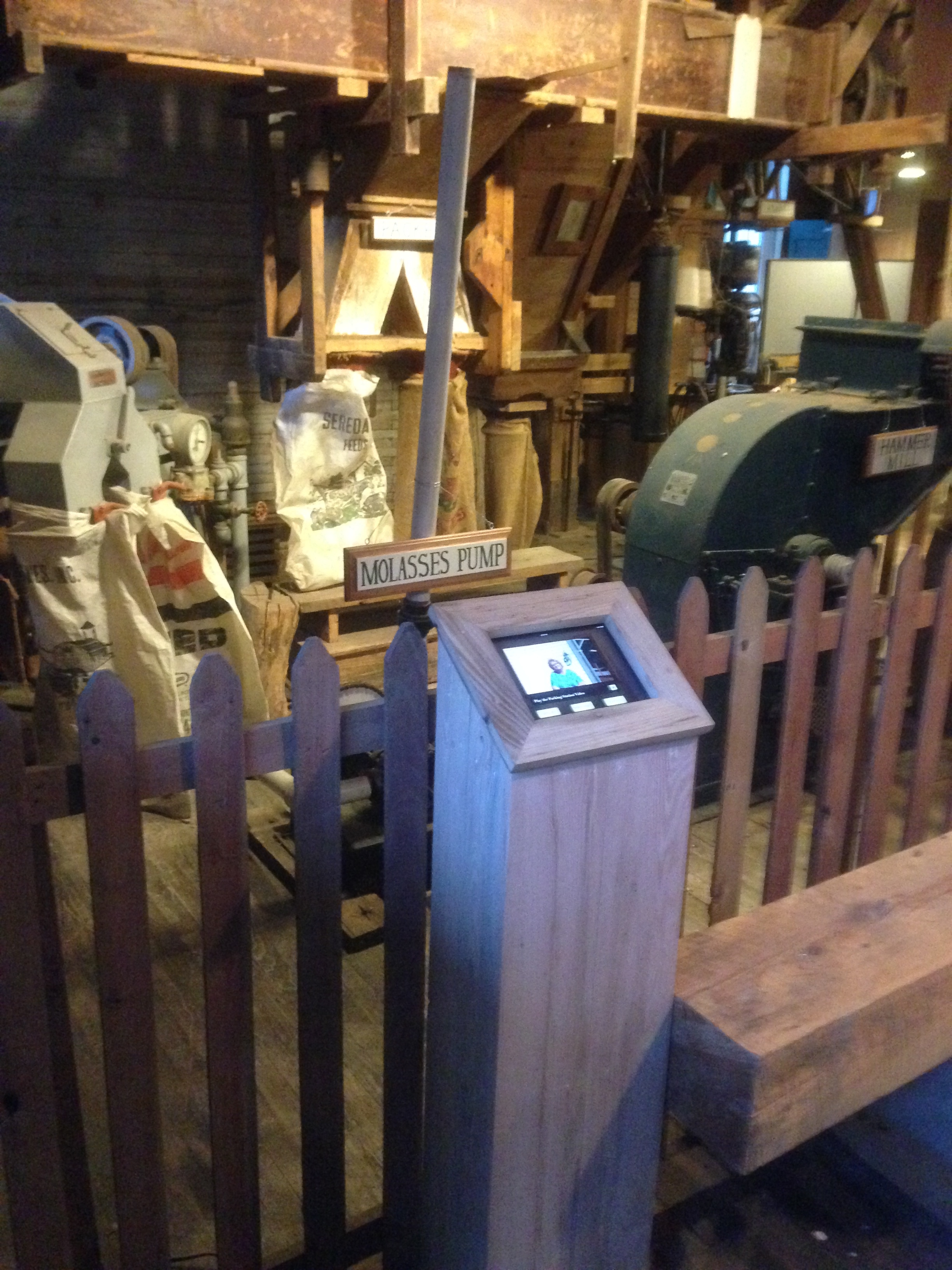

 The Emlenton Mill