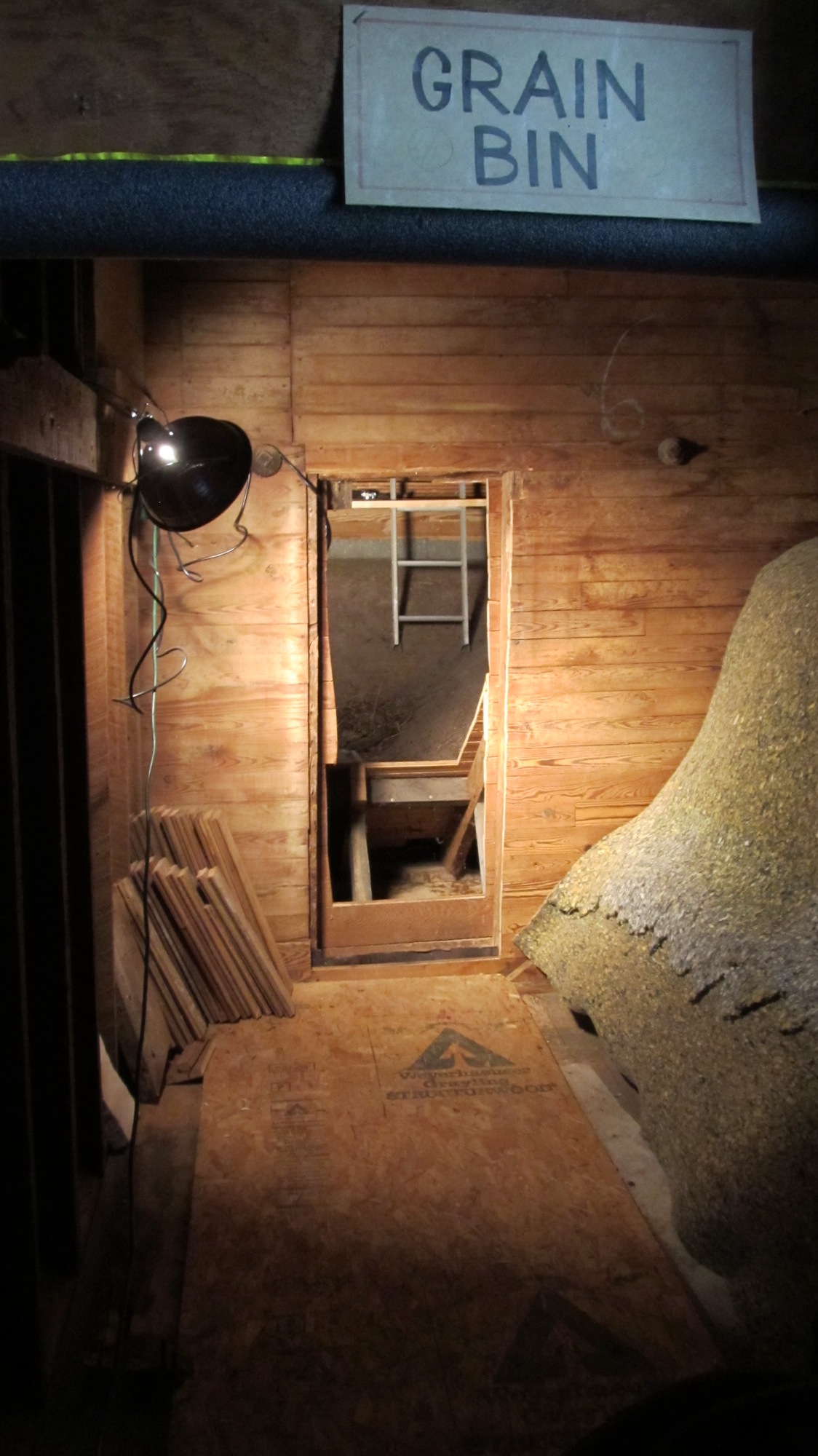
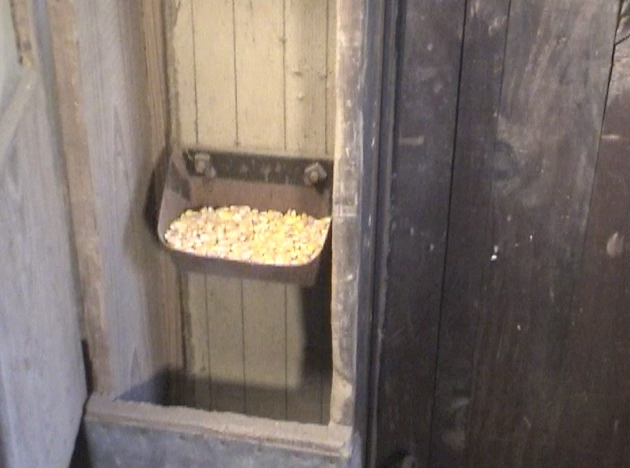
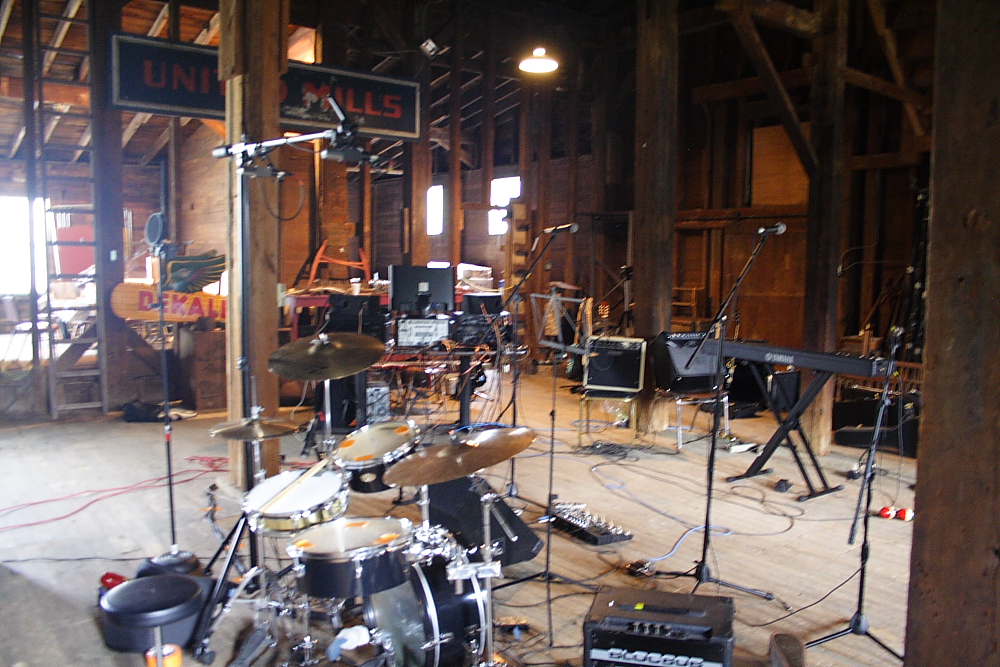
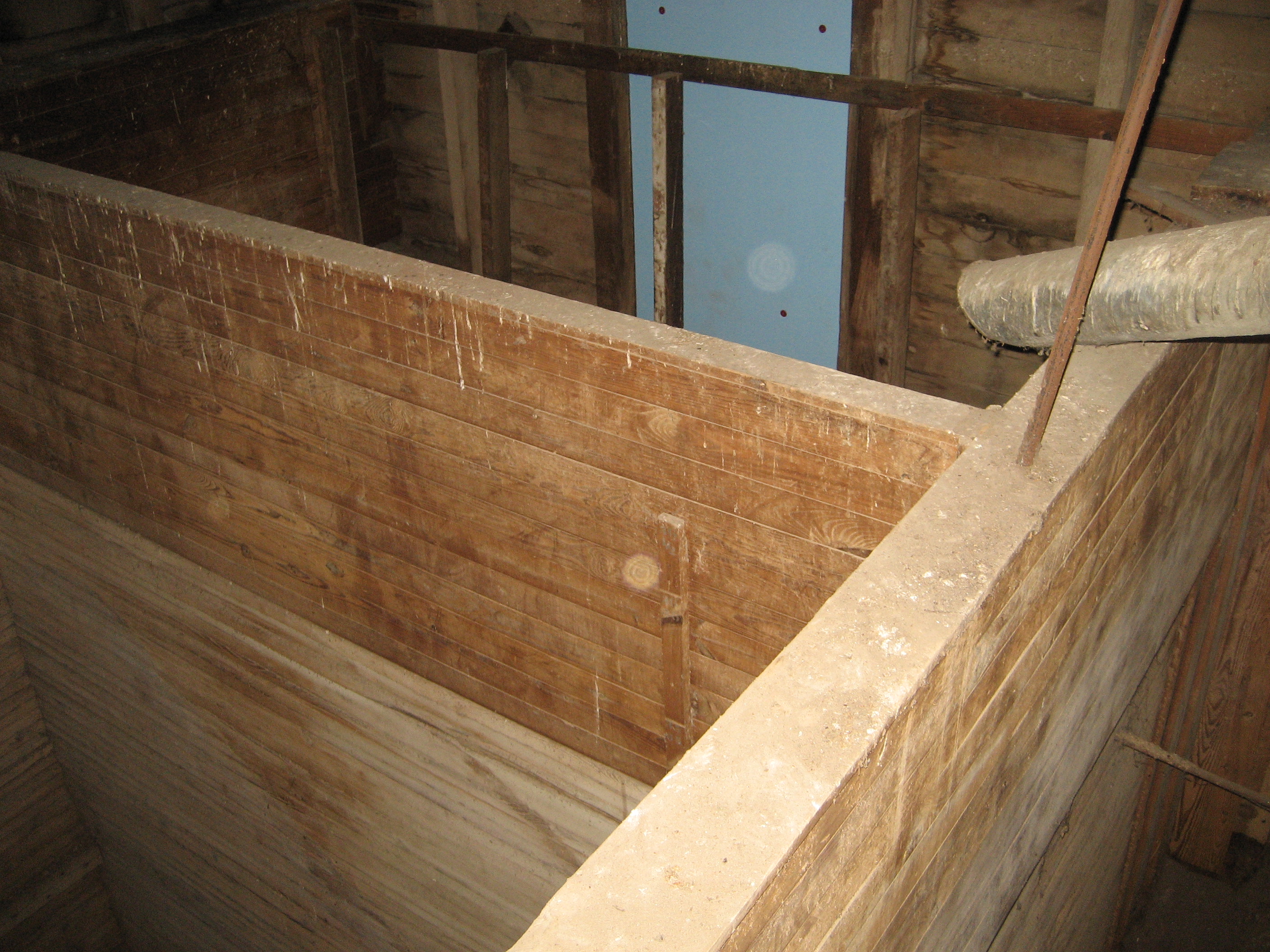
Here are some parting shots of the third floor. The room beyond the Dekalb sign was used to store chairs but also had a 200 gallon backup water tank. The grain bin in the spotlight is a very small grain bin that still has gain in it. The only one I know of in the Mill still with grain. The last picture is of my friends from FAWM.


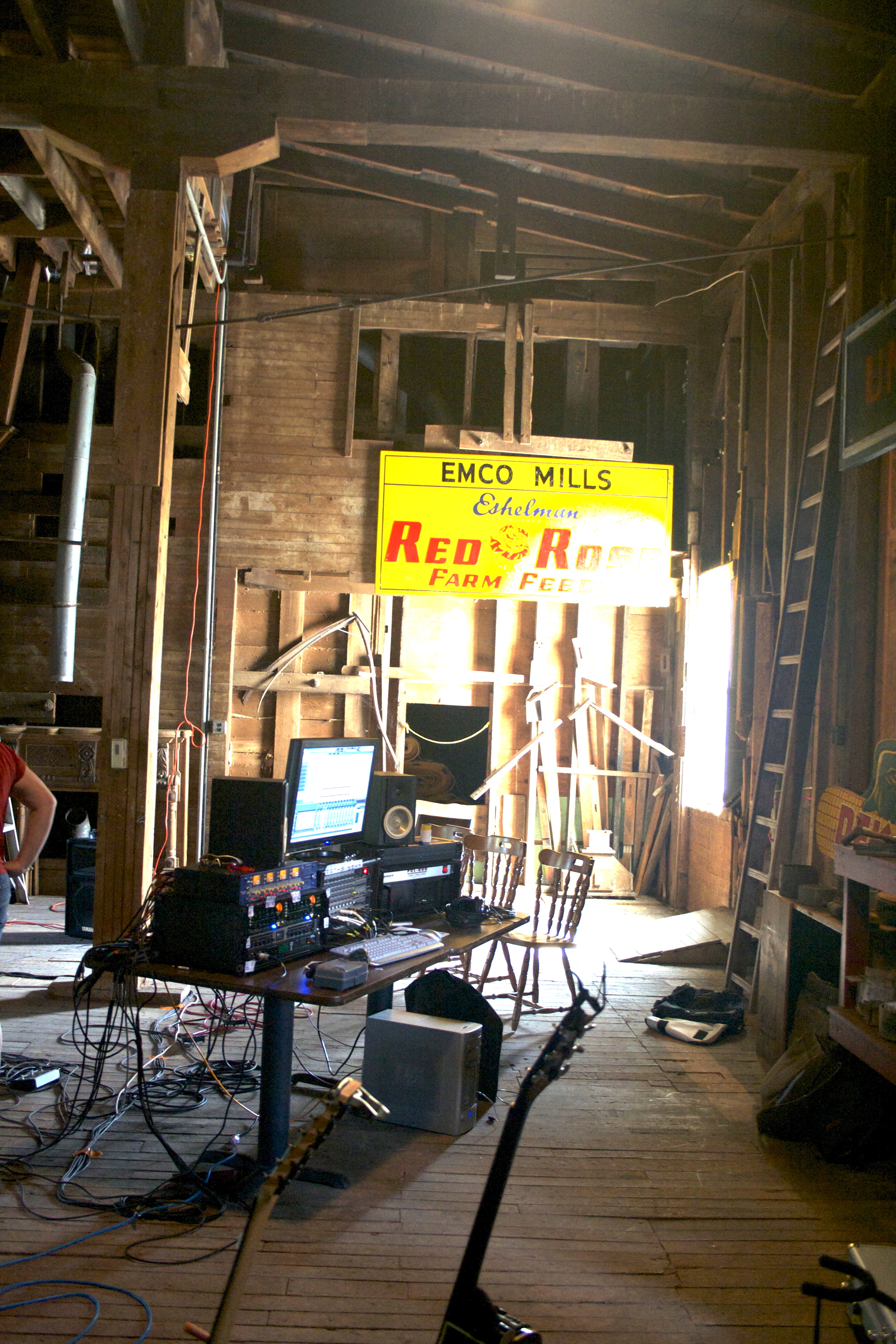
The first picture shows the studio in a grain bin room before the studio was installed. And beyond that grain bin was another room which we cut into. Since this bin was in the SW corner of the building we installed a window behind one of the louvers in the Mill facade. The window was the one closest to the bunkhouse at the third floor level. David is shown cutting out the reinforcing rods that held the bins together. Then we started installing a second floor in the grain bin. This is one of our unfinished projects.


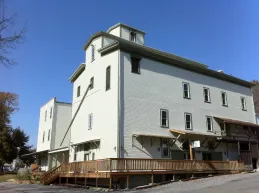
February certainly turned out to be an interesting month. When I started this 28 days of blogging I had no idea that the Mill would burn five days into the story. I’m repeating the February first blog today because I’m now doing the Mill from Top to Bottom and the Recording Studio in the Grain Bin is part of the third floor. We thank all of you who have shown so much love and support over the last month. Spring is coming and with it rebirth. Please pray for us as we plan what’s next for the Mill. The Emlenton Mill, built in 1875, housed a mill museum, an ice cream shop, a bunkhouse hostel, an Emporium that sold antiques, crafts and books and a number of secrets. One of these secrets is a recording studio in a gain bin. Hidden away in a converted grain bin, on the third floor of the Mill, is a recording studio control room from the 1970s. It was originally located on the music practice floor of the College of Fine Arts at Carnegie Mellon University. It was built by myself and some friends from the campus radio station WRCT. The Mill has a large number of grain bins which were used to store the different grains that were processed at the Mill. They vary in size from the size of a closet to the size of a railroad box car. The grain bin we chose for the studio is a small room located just off the main area of the third floor and required very little alteration. Most grain bins are built with sloped floors so the grain would gravity feed to the center of the bin where the output chute was located. This grain bin only required a new floor to support the studio.

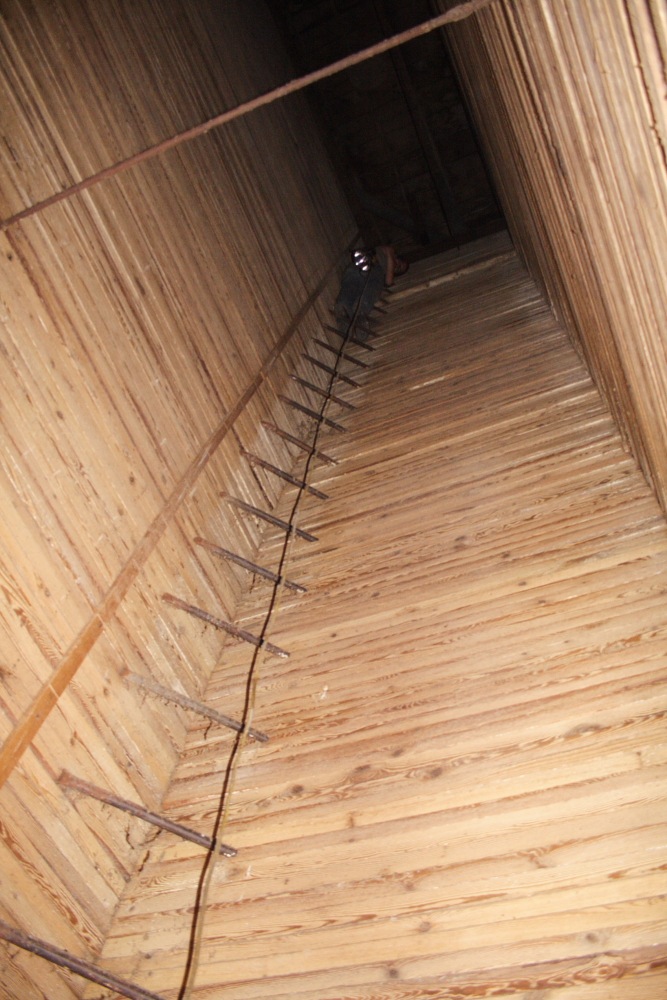
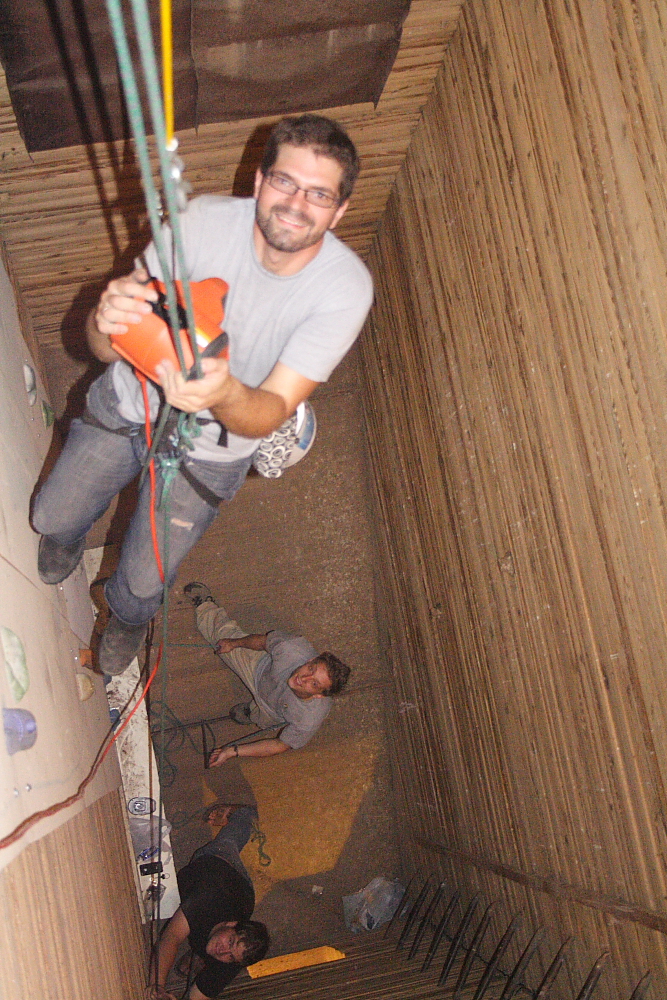
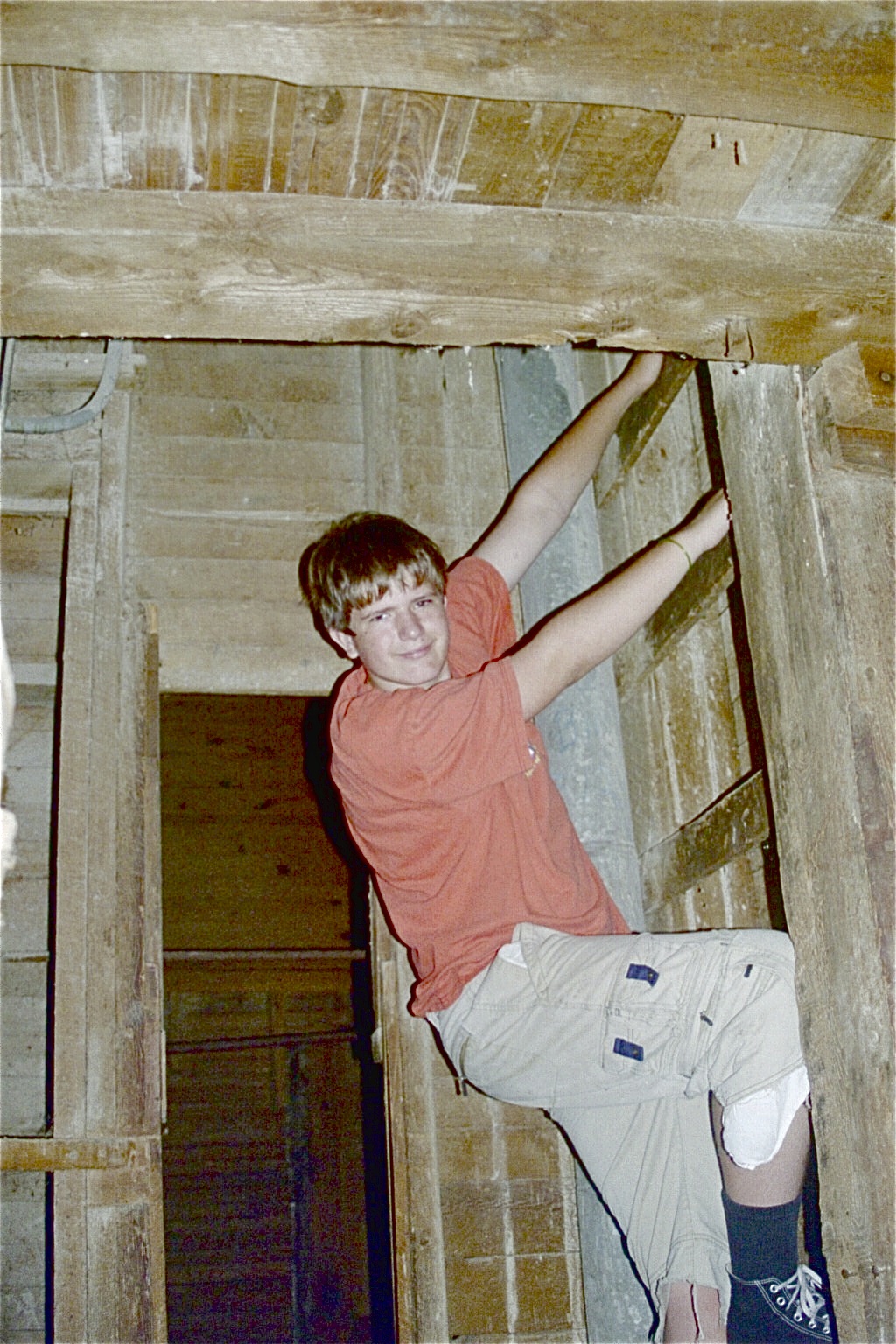
At the bottom right of the picture of the 3rd floor cyclones and shakers (see 2/25/15 post) is a secret door which can only be opened from the fourth floor by spinning the Texas flywheel. Beyond that door is a grain bin and beyond that grain bin is the Mills tallest grain bin. At 36 feet tall it was the size of a railroad car on end. And in that grain bin we built a climbing wall. In the first picture you can see the wonderful old wood and the iron ladder. In the second picture you can see David flying in the grain bin as he installs the climbing wall. I would drop the sections from above on a rope and David would fasten them to the wall. The guys below, Ryan and Daniel, controlled his position and the safety rope.
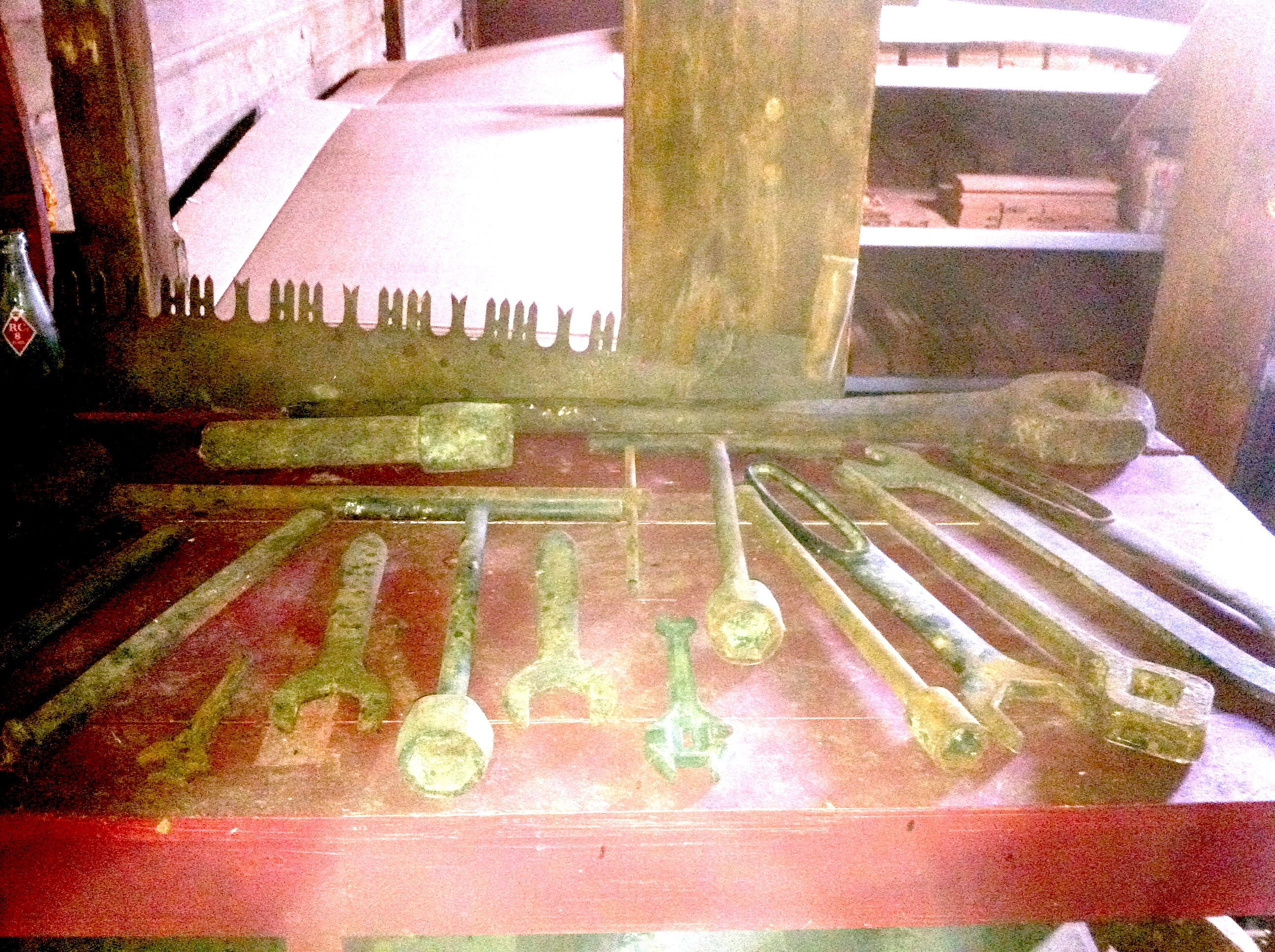
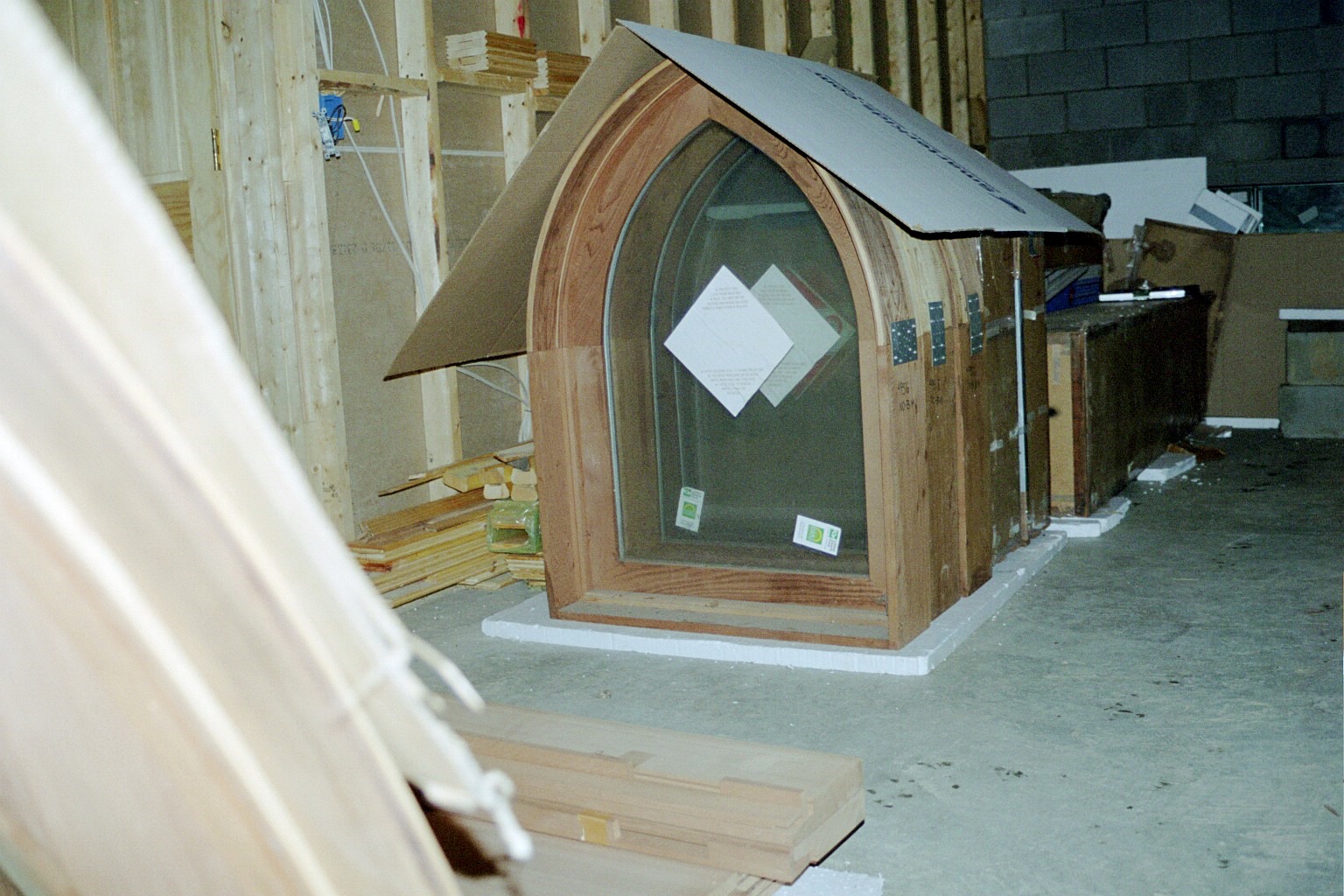
This picture is of old tools from the Mill. There is an RC cola bottle at the right to give you an idea of size. I especially like the huge wrench at the back. It was at least three feet long and weighed a lot. This picture is taken looking into the NW grain bin which was a few feet below the third floor level. It housed our set of redwood castle windows. We had planned to build a castle before the Mill came up for sale. In hindsight, I think I enjoyed the Mill a lot more than a castle. To the left of the castle window bin was a room we called the Board Room. If you have visited it recently that is where the pictured tools were kept. It was called the board room because we stored a large table and chairs there . One especially interesting chair was large and red and had a black bird perched on the corner of its back. If anyone has a picture of this chair or the board room I would really appreciate a copy of it. Most recently the boardroom housed a pool table moved up from the second floor with great effort by David and his friends from Pittsburgh.
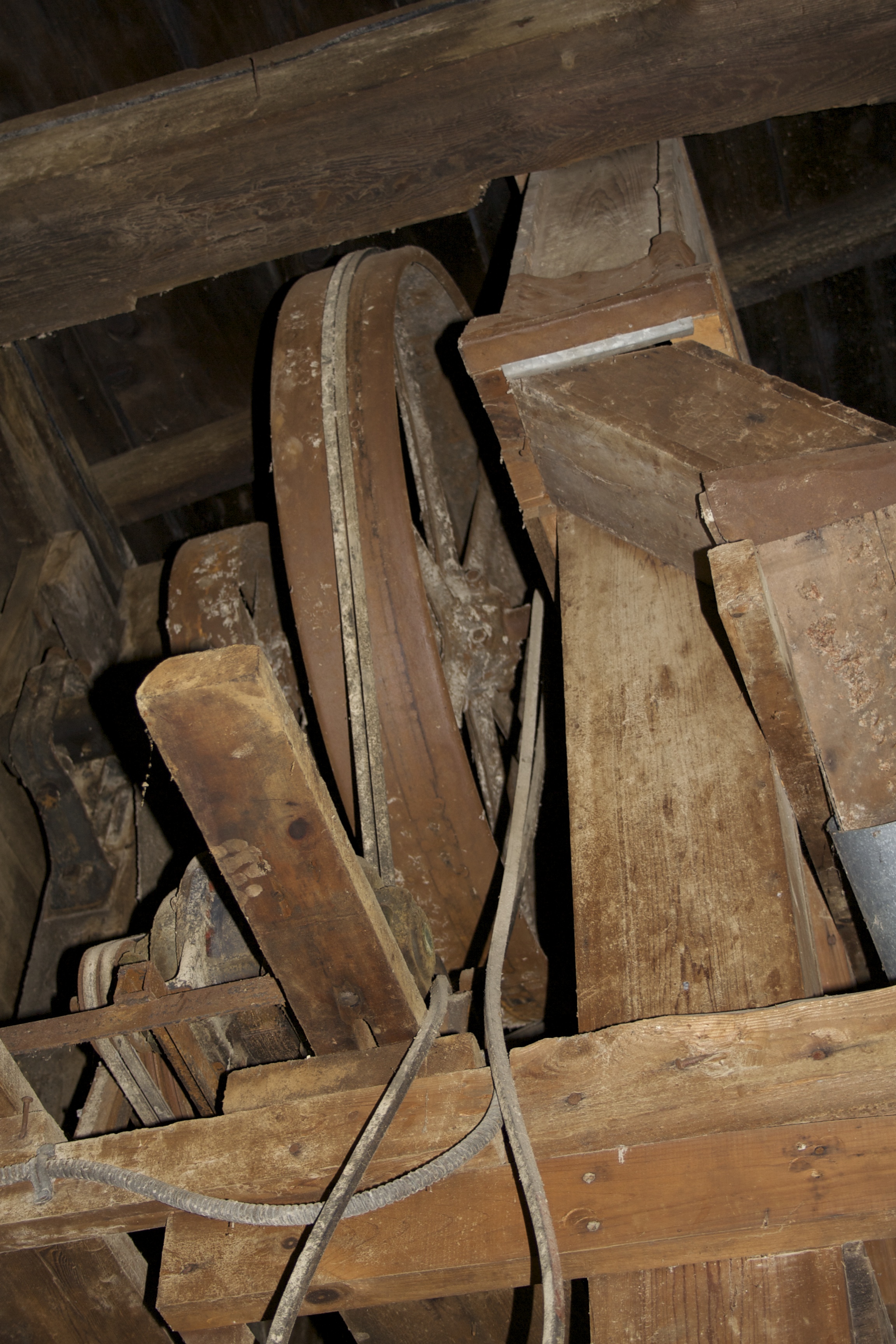
The third floor grain elevator is a separate system from the main grain elevators on the fourth and fifth floors. It runs between the basement and the third floor and took in grain at the second street entrance. It used smaller buckets than the main elevators but we were able to repair it. The repairs required patching in about five feet of canvas belt and then we could make it run by turing the flywheel on the third floor. Powering up the motor was a bigger problem because the mill no longer has the 3 phase power the motor requires. After some research we found a simple converter that took our 220v feed and faked it into three phase. See the video below.
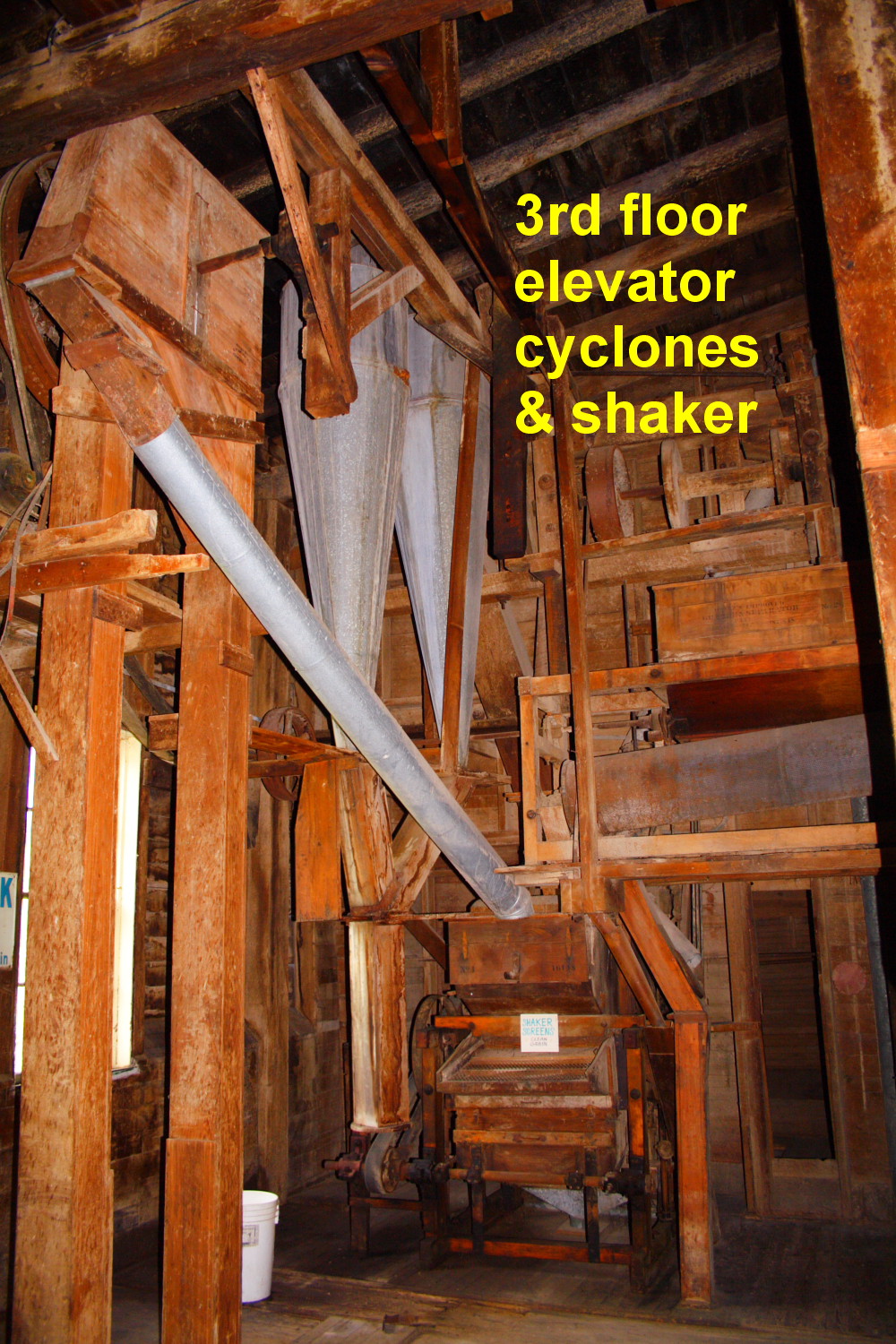
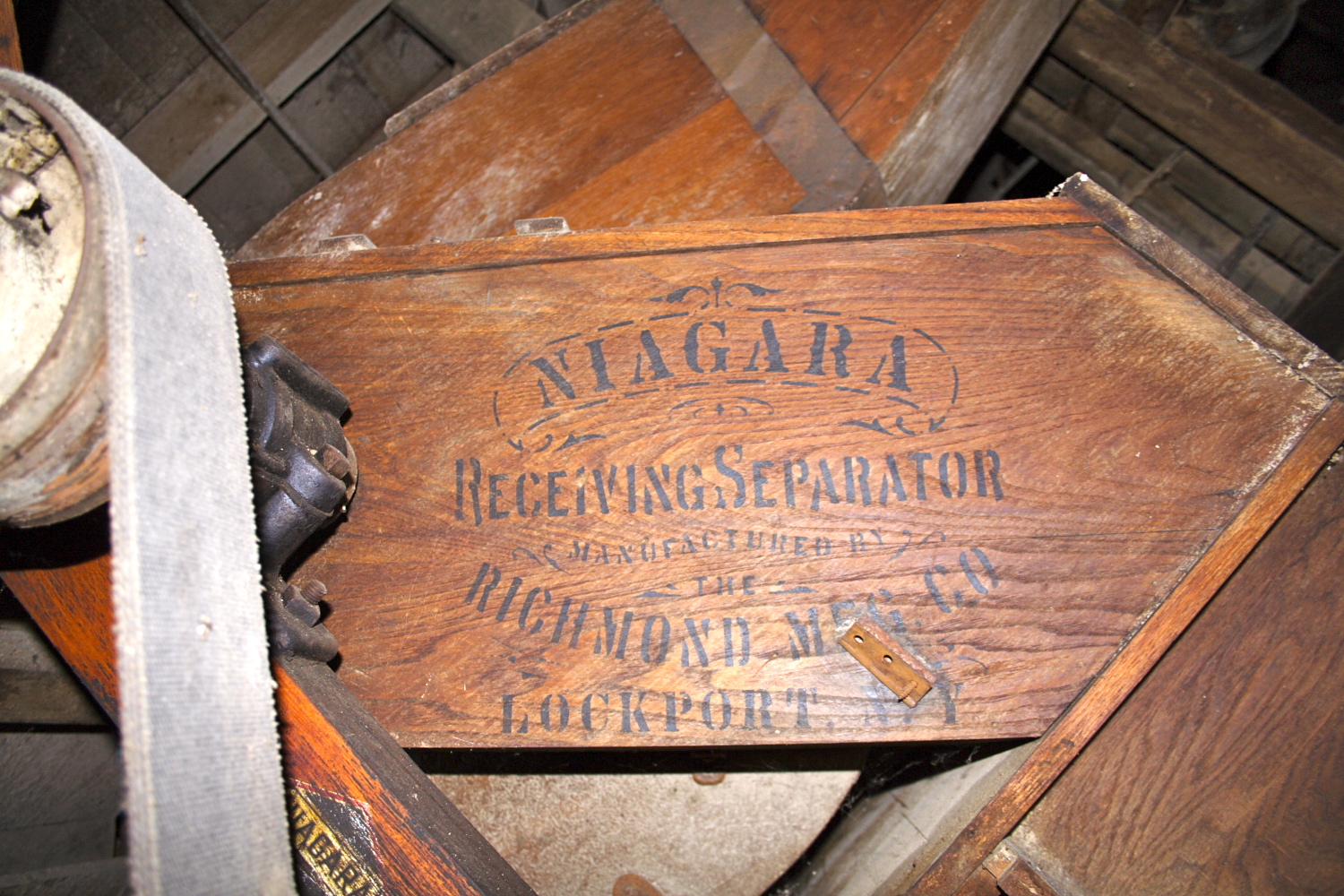
The third floor has a complete grain system of its own separate from the main system on the fourth and fifth floors. There is a grain elevator shown in the left of the vertical picture that brings grain from the 2nd street Mill entrance. There are two cyclones and a shaker screen. There is also the Niagara Receiving Separator shown in the horizontal picture and at the right in the vertical picture. Many of the belts are still with the third floor system. What I find wonderful is all the beautiful old wood.
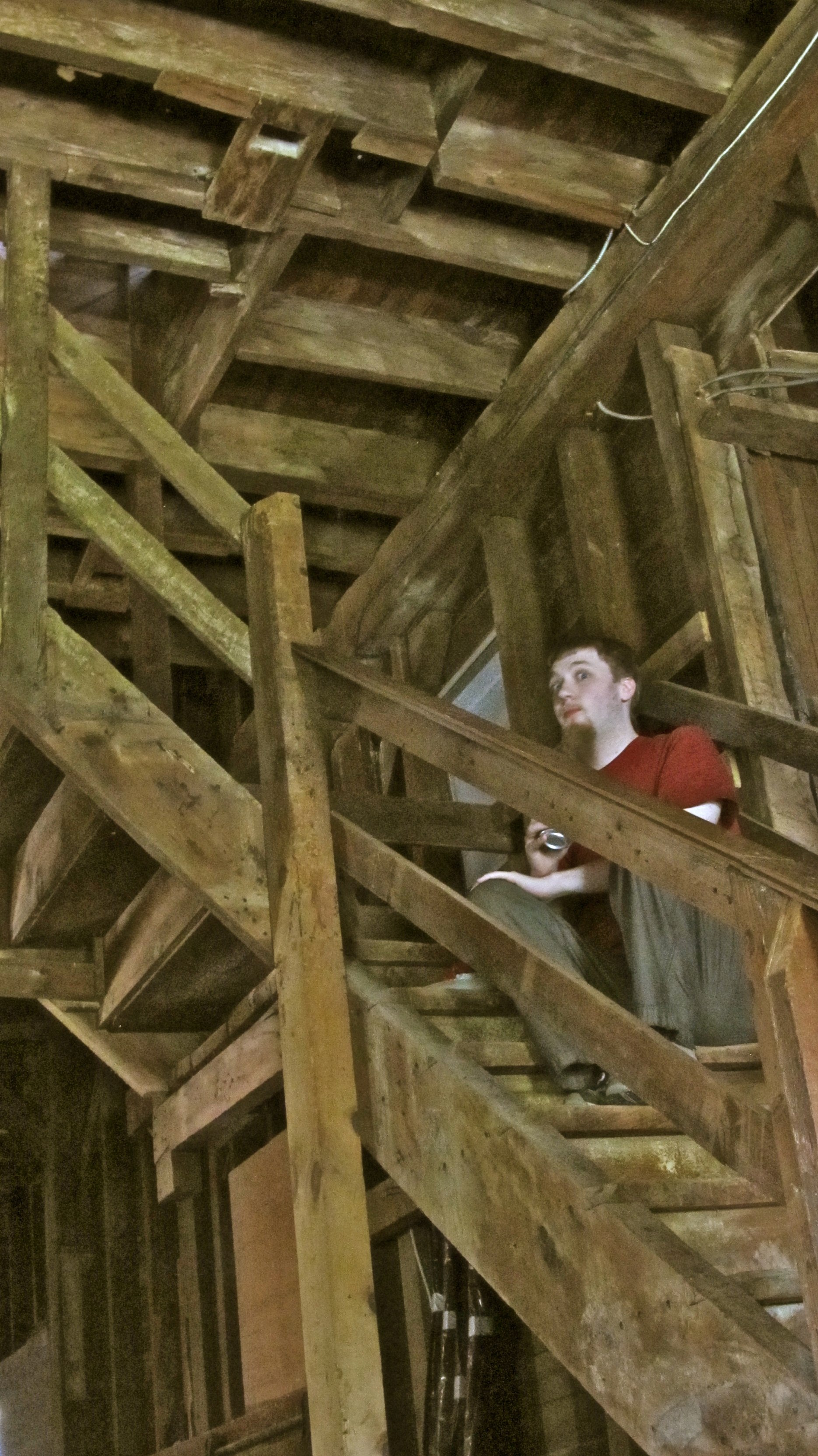
Since the third floor was closed to the public except for tours, we used it mostly for storage. Our homeschool library was here as well as storage for all sorts of things we had collected over the years. It’s amazing when you have space how it tends to get filled. The third floor had very high ceilings, a great place to fly quadcopters, and at least six storage areas off the main floor which I will detail in days to come. One picture shows the staircase to the fourth floor, great wood, and the other shows the main room set up as a FAWM recording studio in 2011. Later we added a stage for FAWMstock 2013.
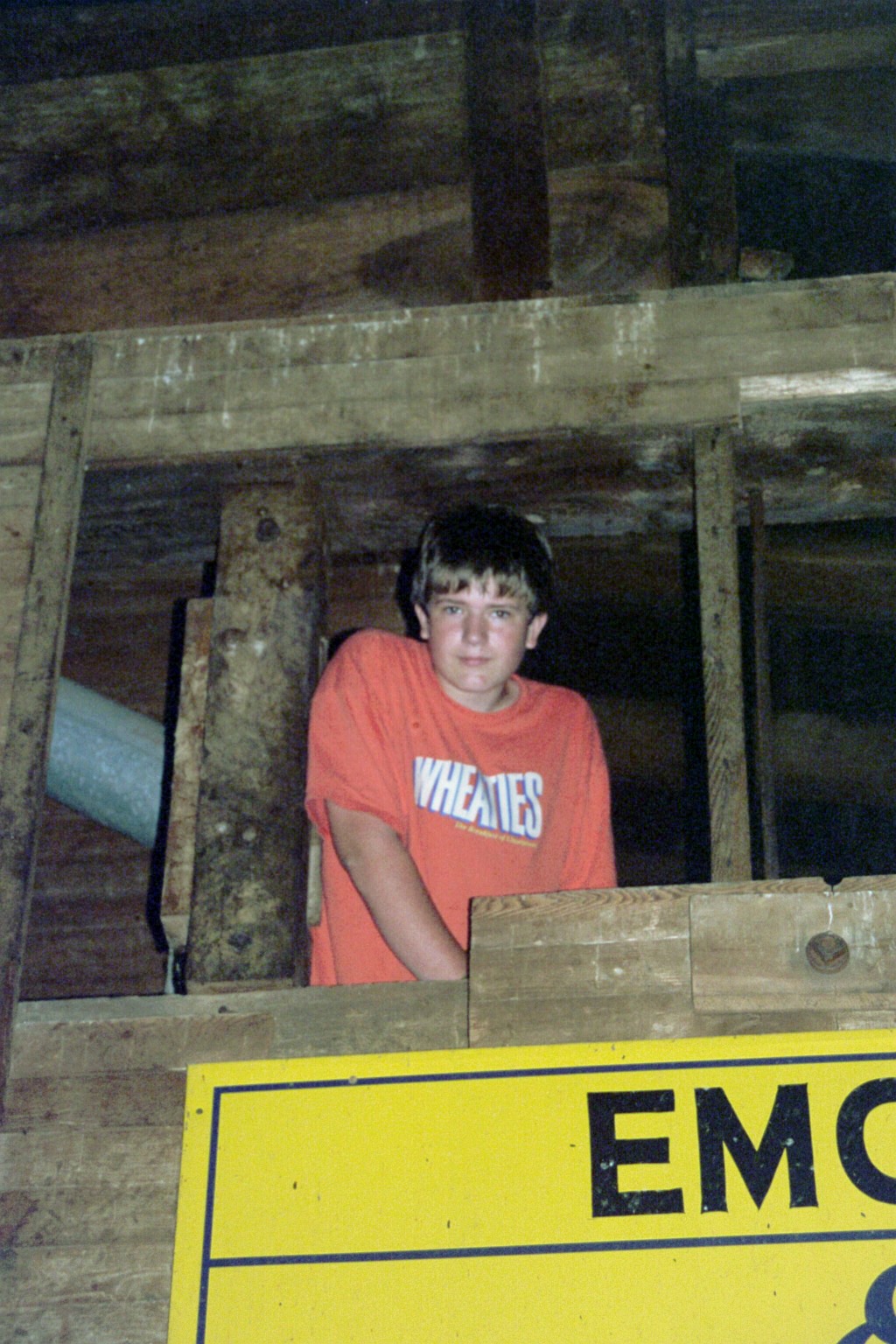
The summer we purchased the Mill, 2005, my son Michael discovered a secret of the Mill- the ladder to the third and a half floor. Located above the Emco Mills sign is an area that lets you look down on the grain bins. Some of these are the third floor grain bins but it also gives access to the two grain bins that extend all the way to the basement 36 feet below.
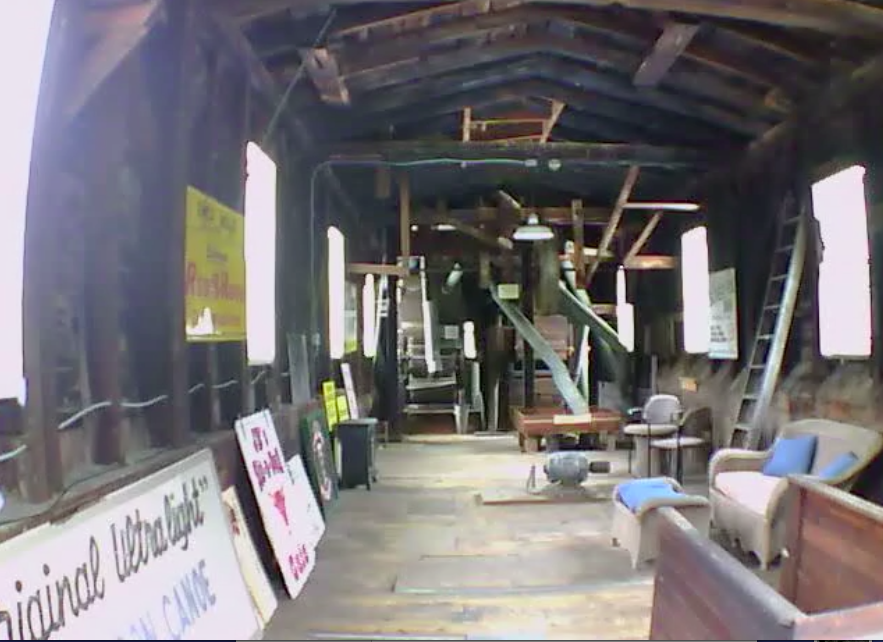
This is a long shot of Texas showing the staircase in the foreground and our sitting area to the right. We always thought this would make a great artists studio as long as the artist liked to climb stairs. We kept a museum of signs here. At the bottom right is a Raddison Canoe sign from the Mill. There are also signs from the many restaurants that started at the Mill including Sit-n-Bull and The Complete Burger. There is a sign for the Silver Fox Inn and for Perq Systems.The view from the fourth floor was spectacular. We had a camera in Texas sending pictures to Flicker. There are over a million pictures there of the I80 bridge at all times of the day and weather. This is one of the last photos taken, about noon, the day the Mill burned. To see more go to: http://www.flickr.com/photos/emlentonmill


 The Emlenton Mill